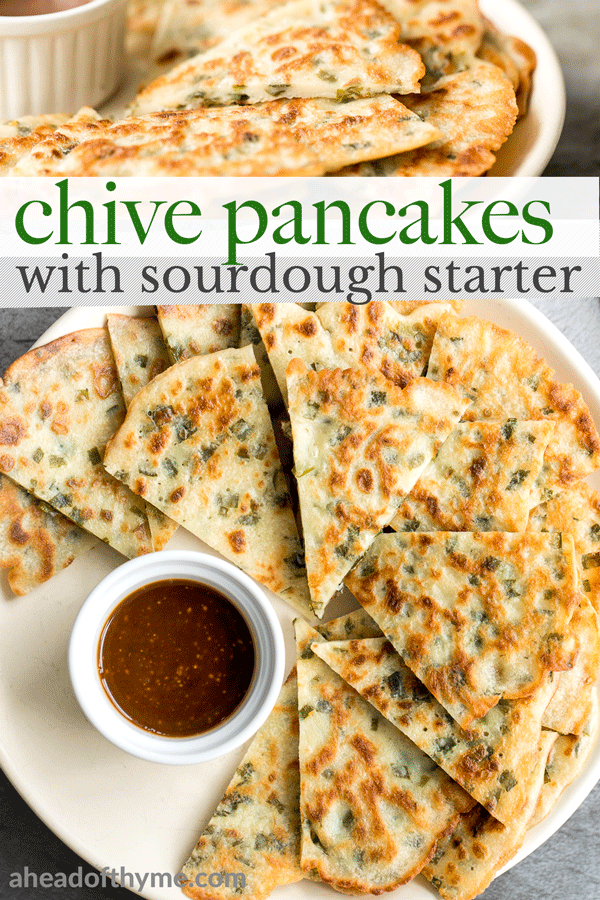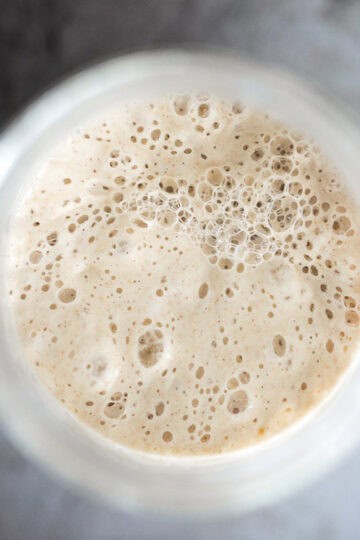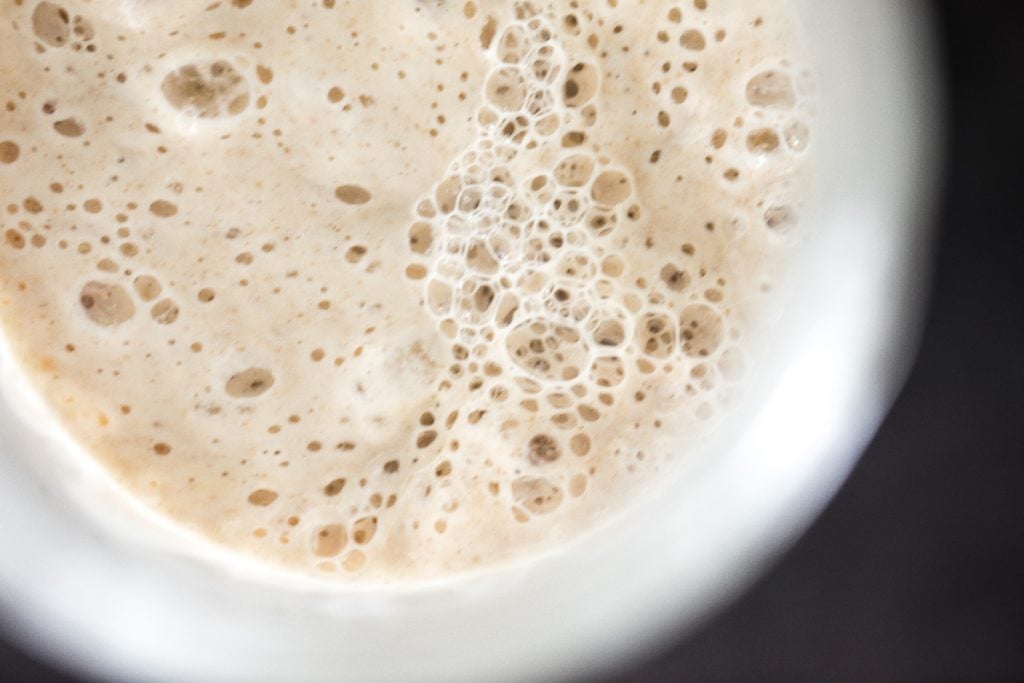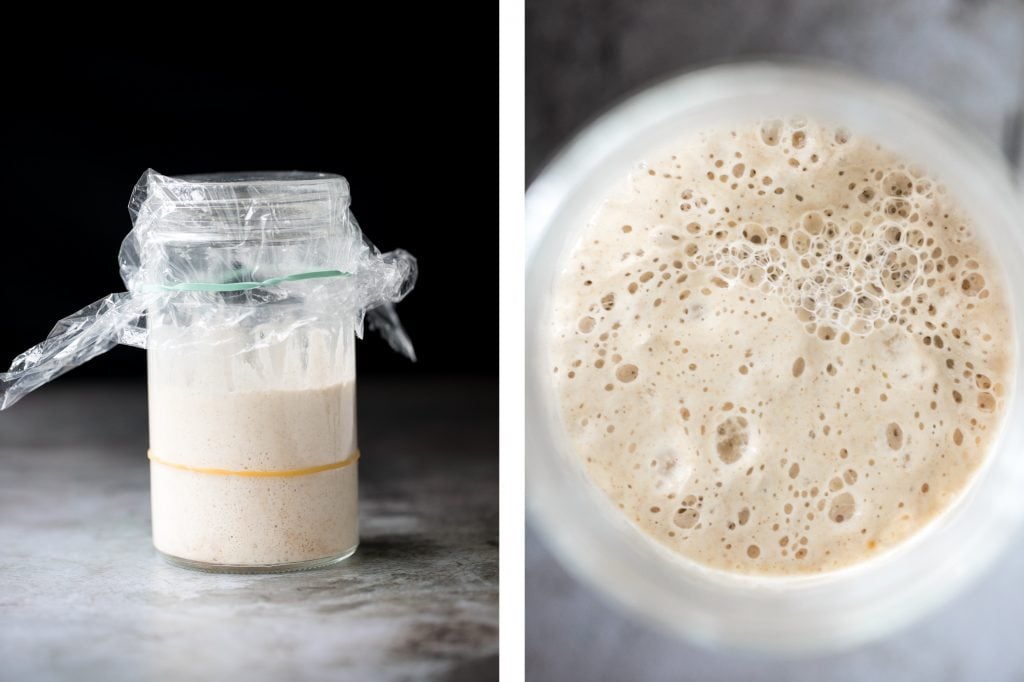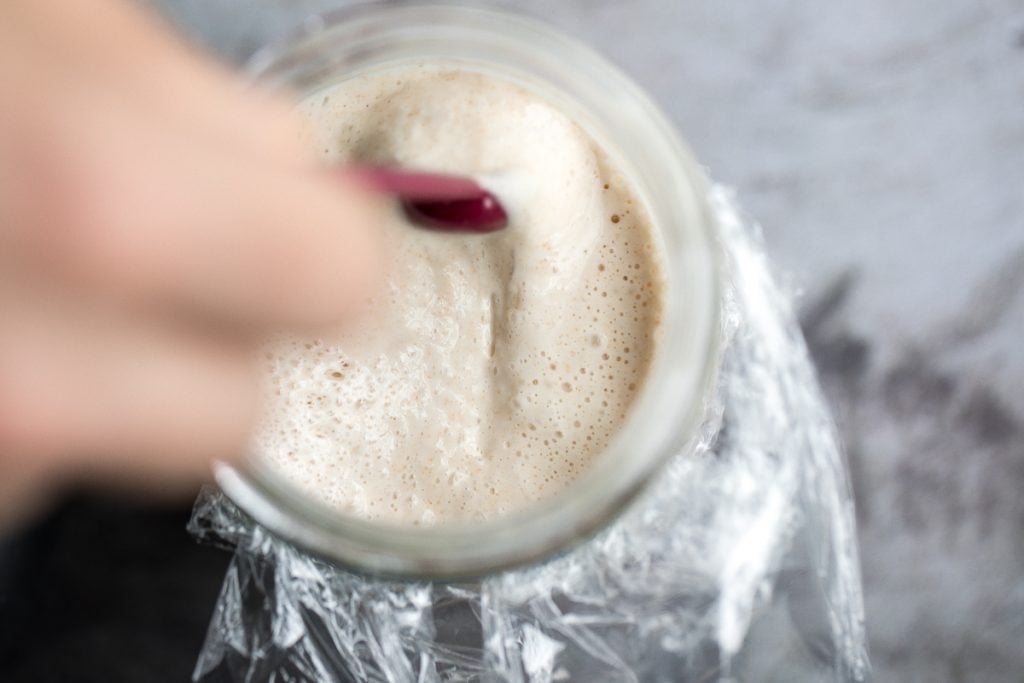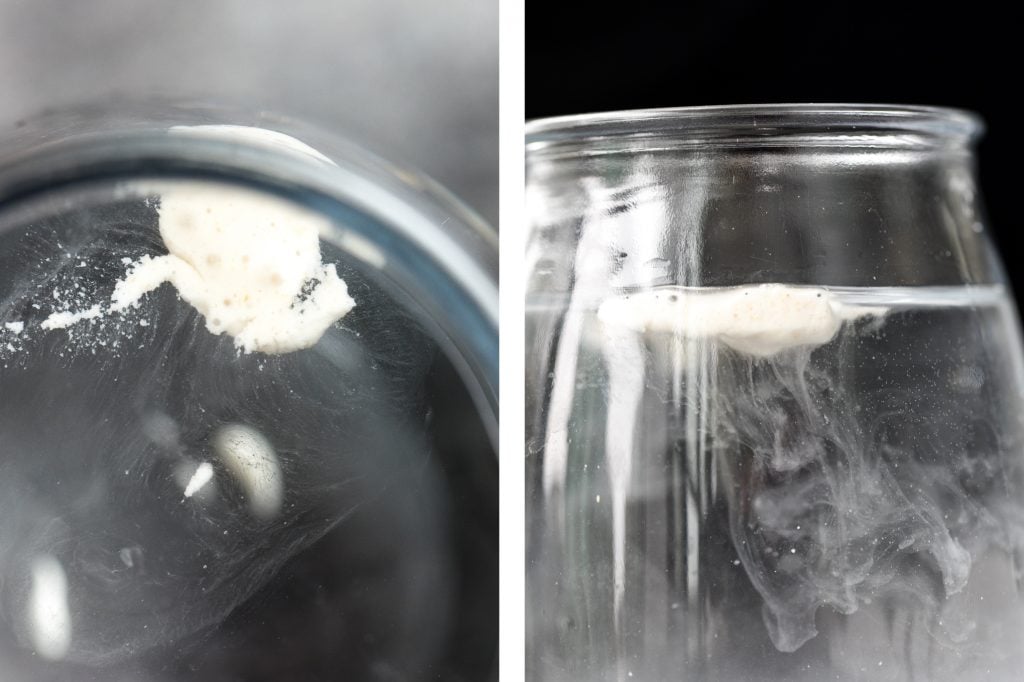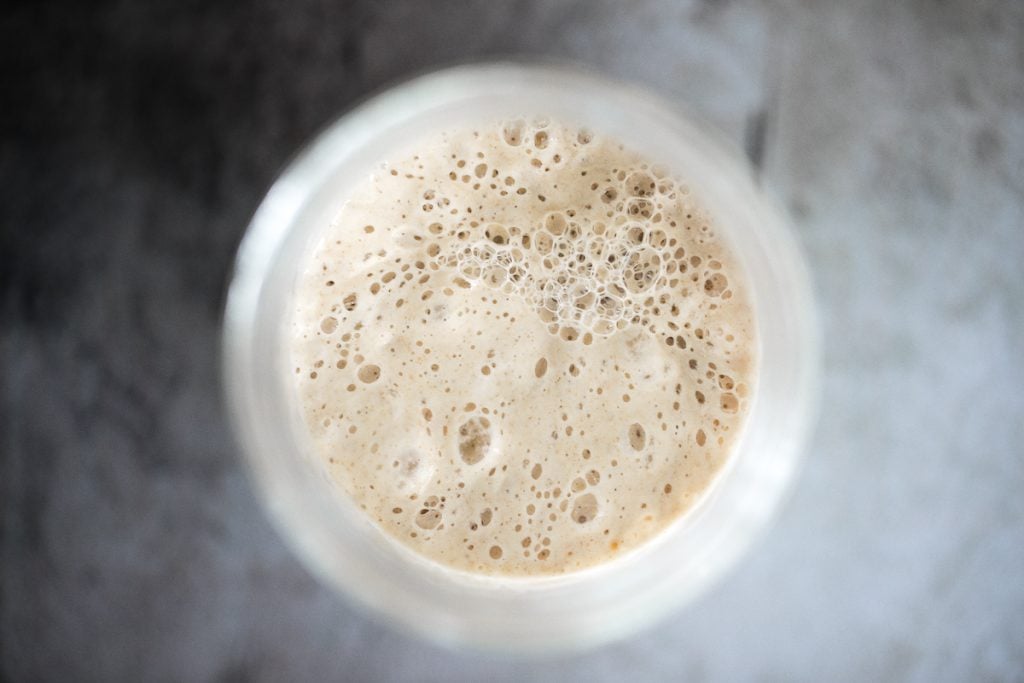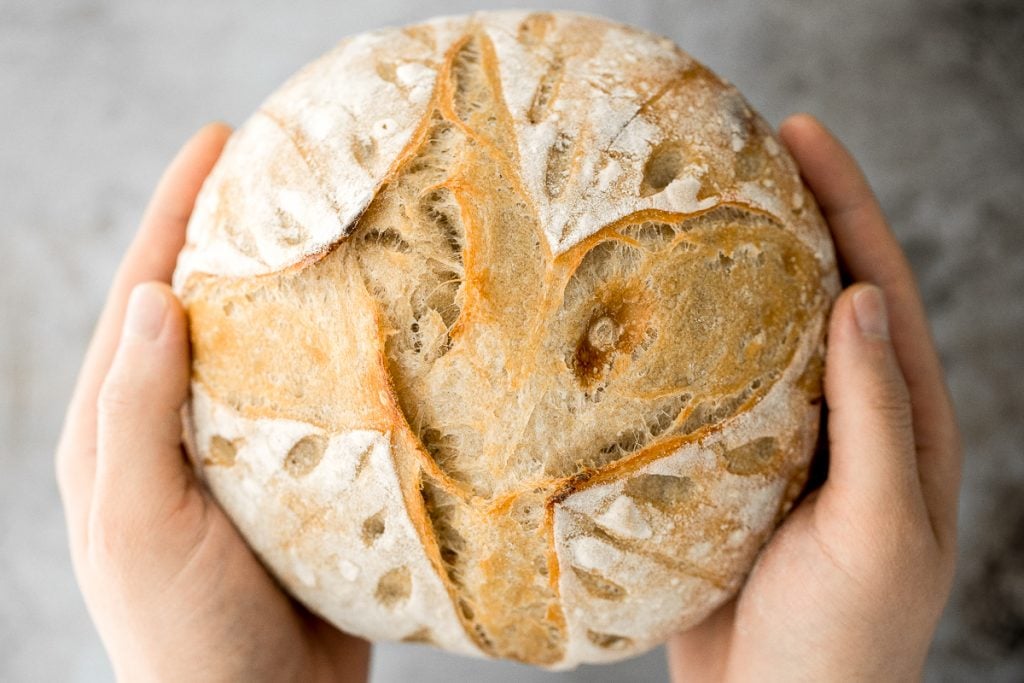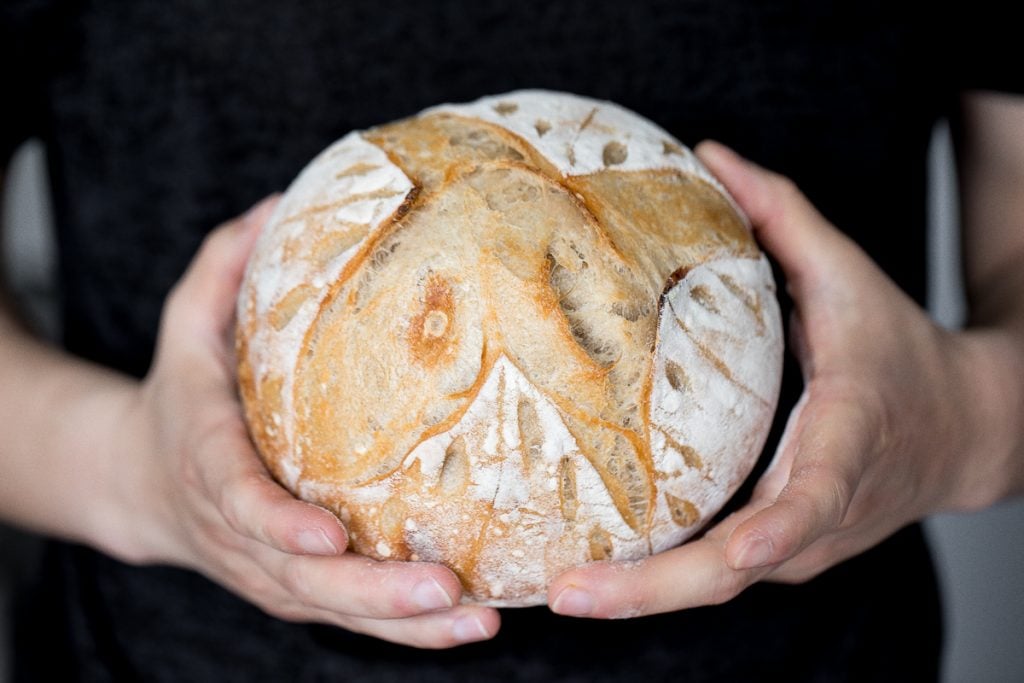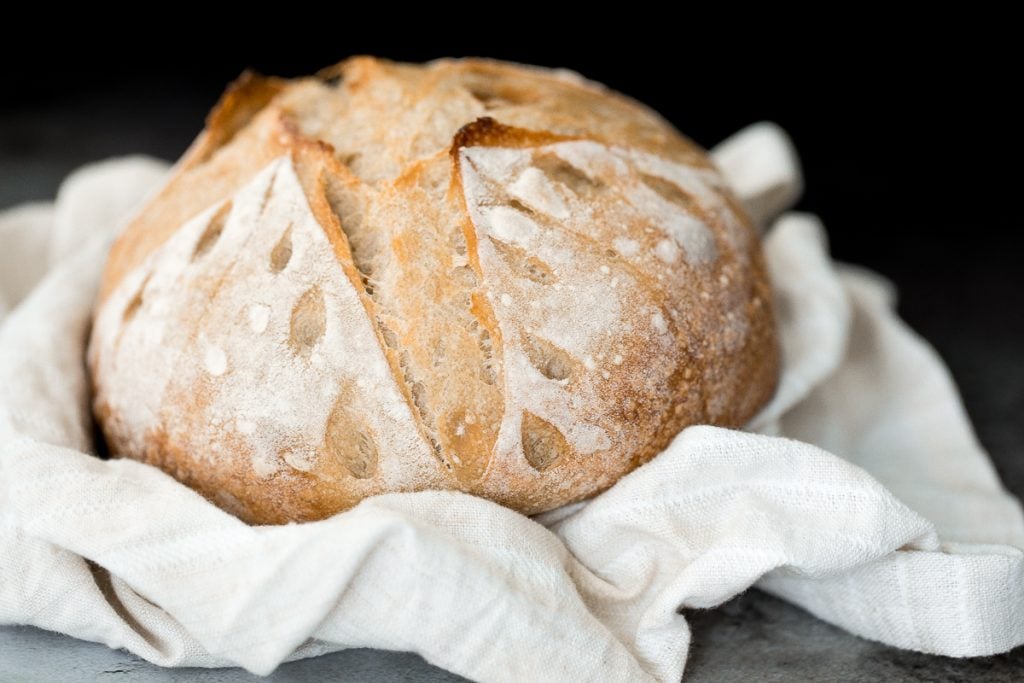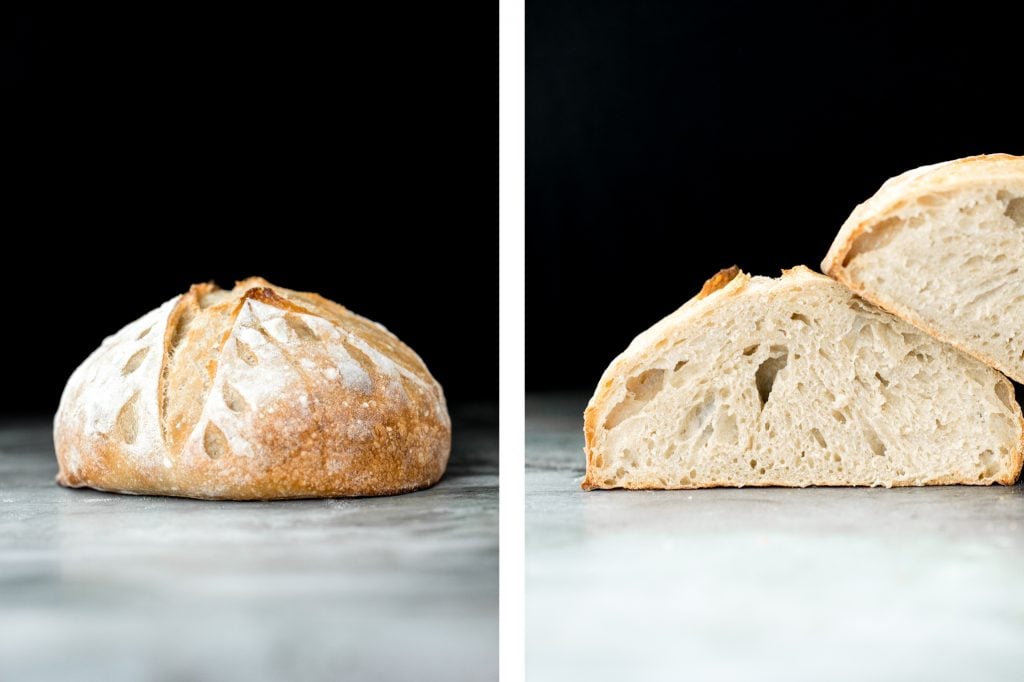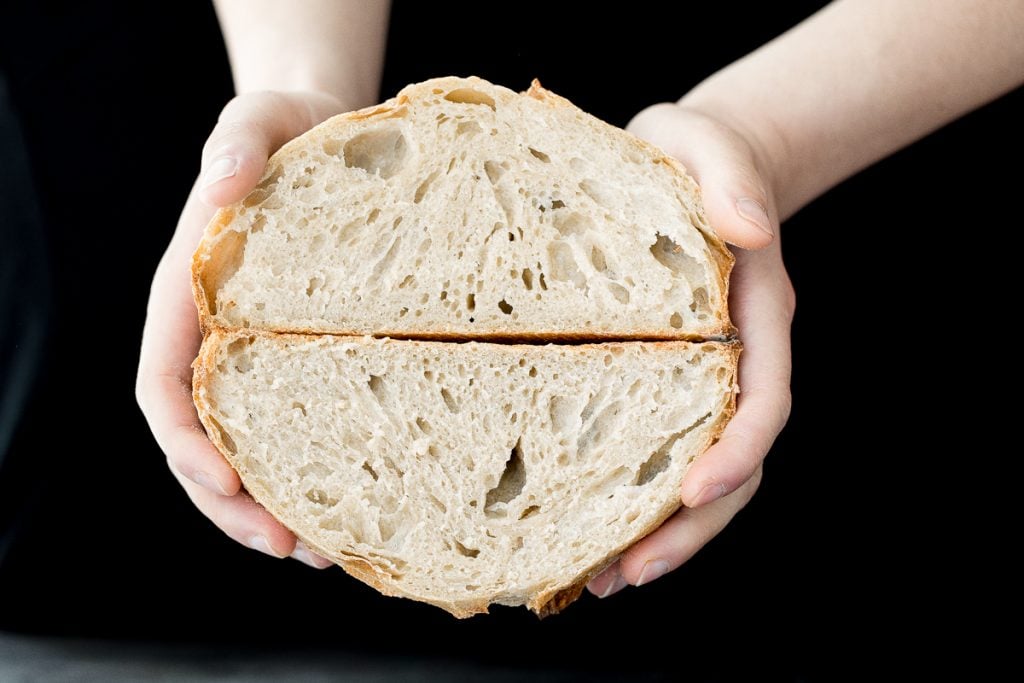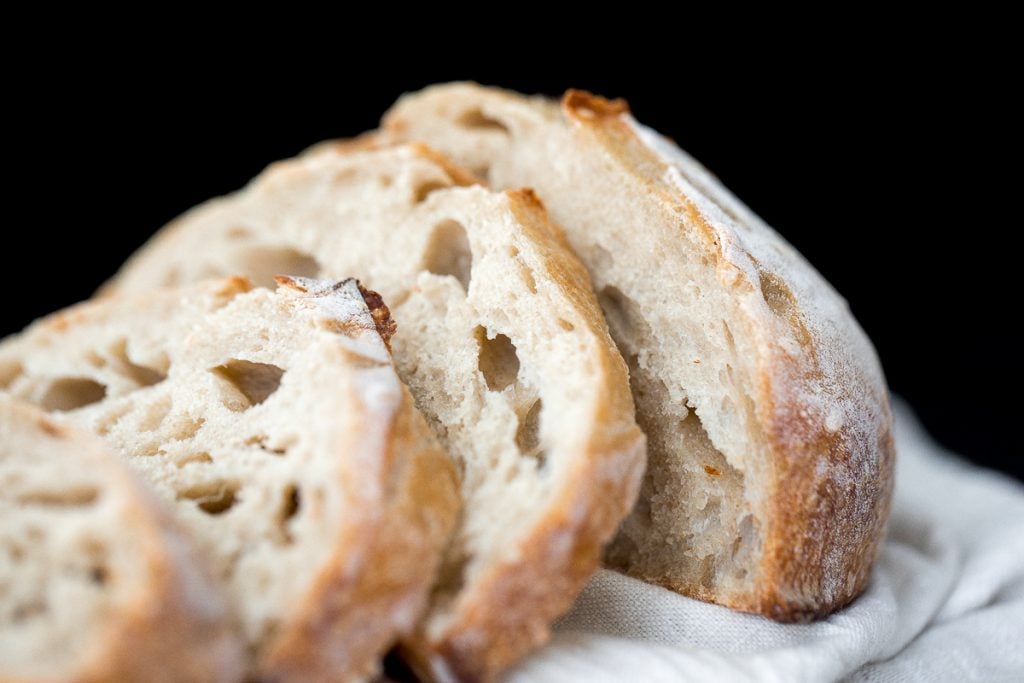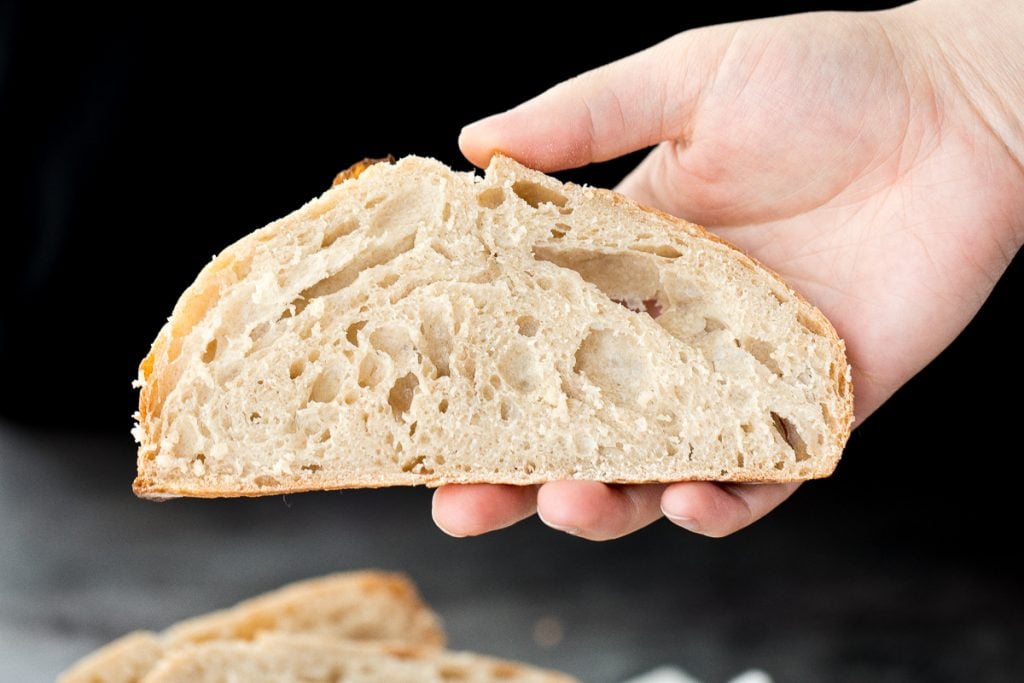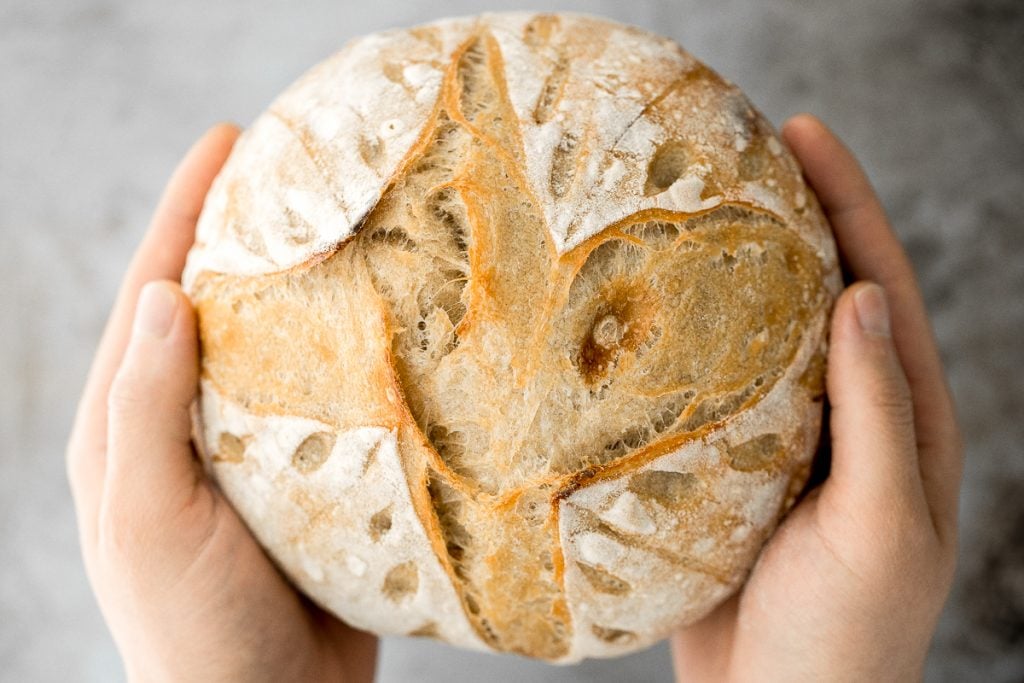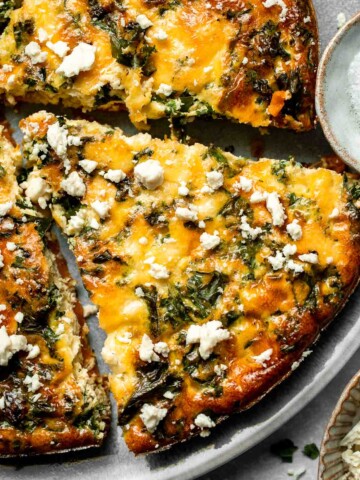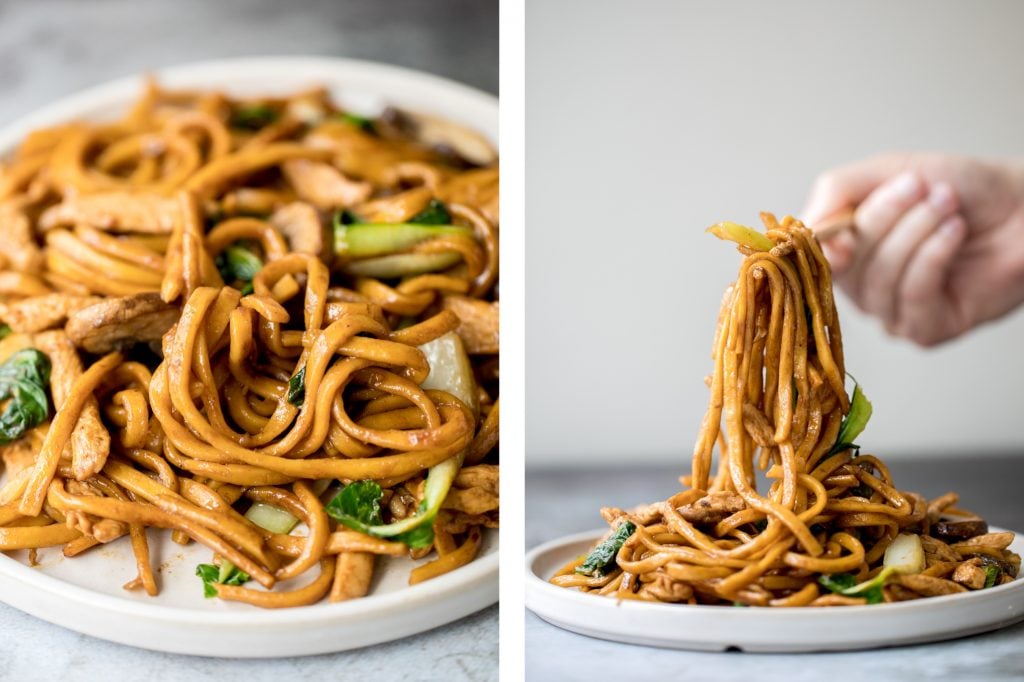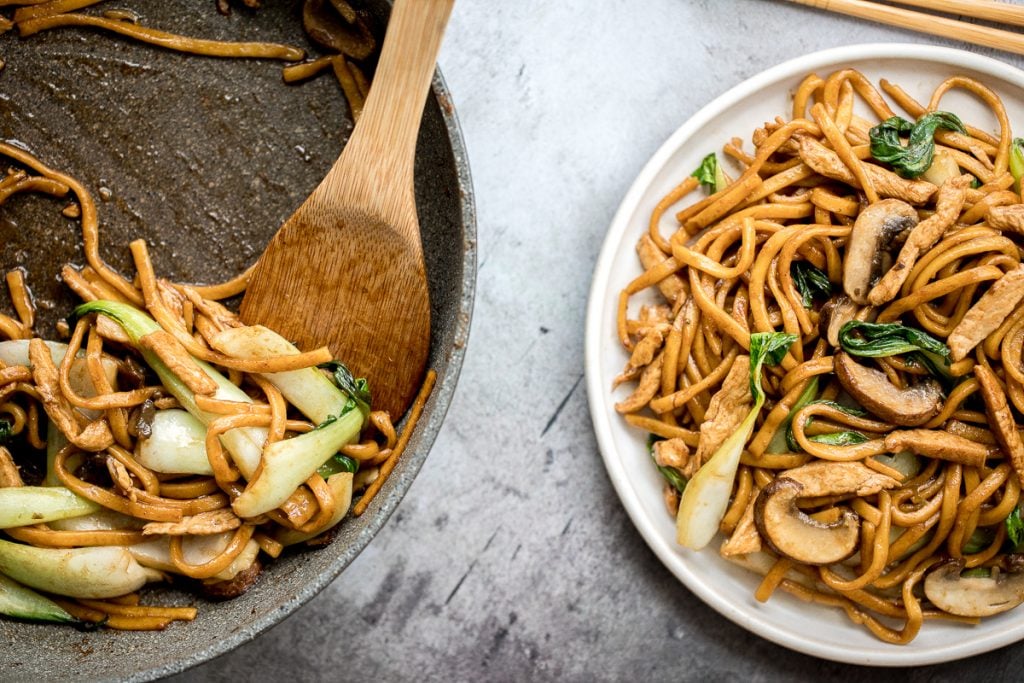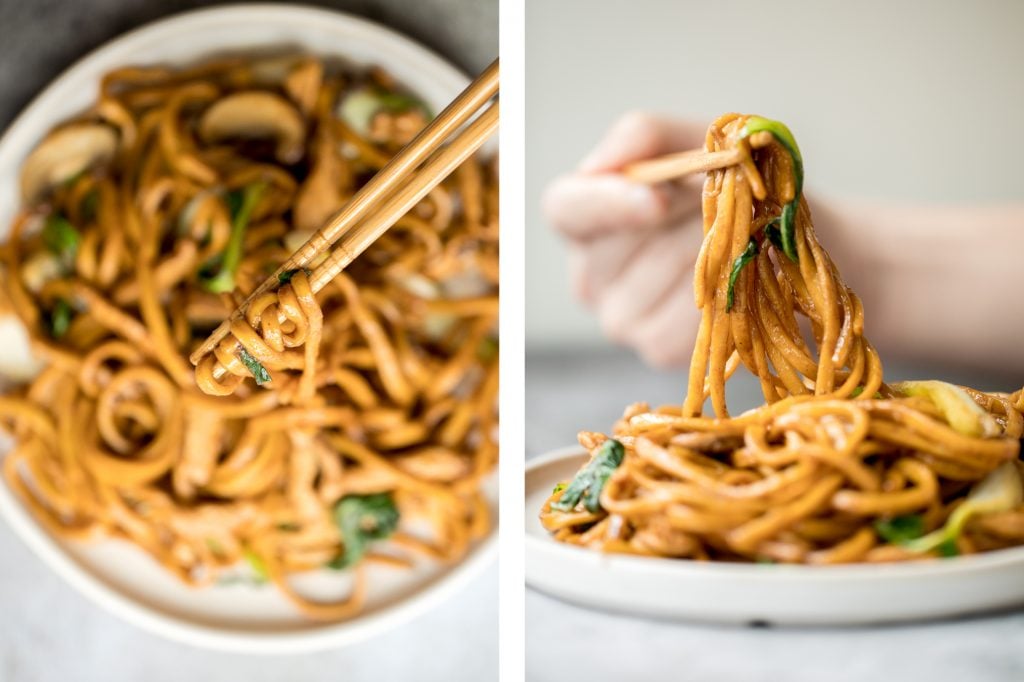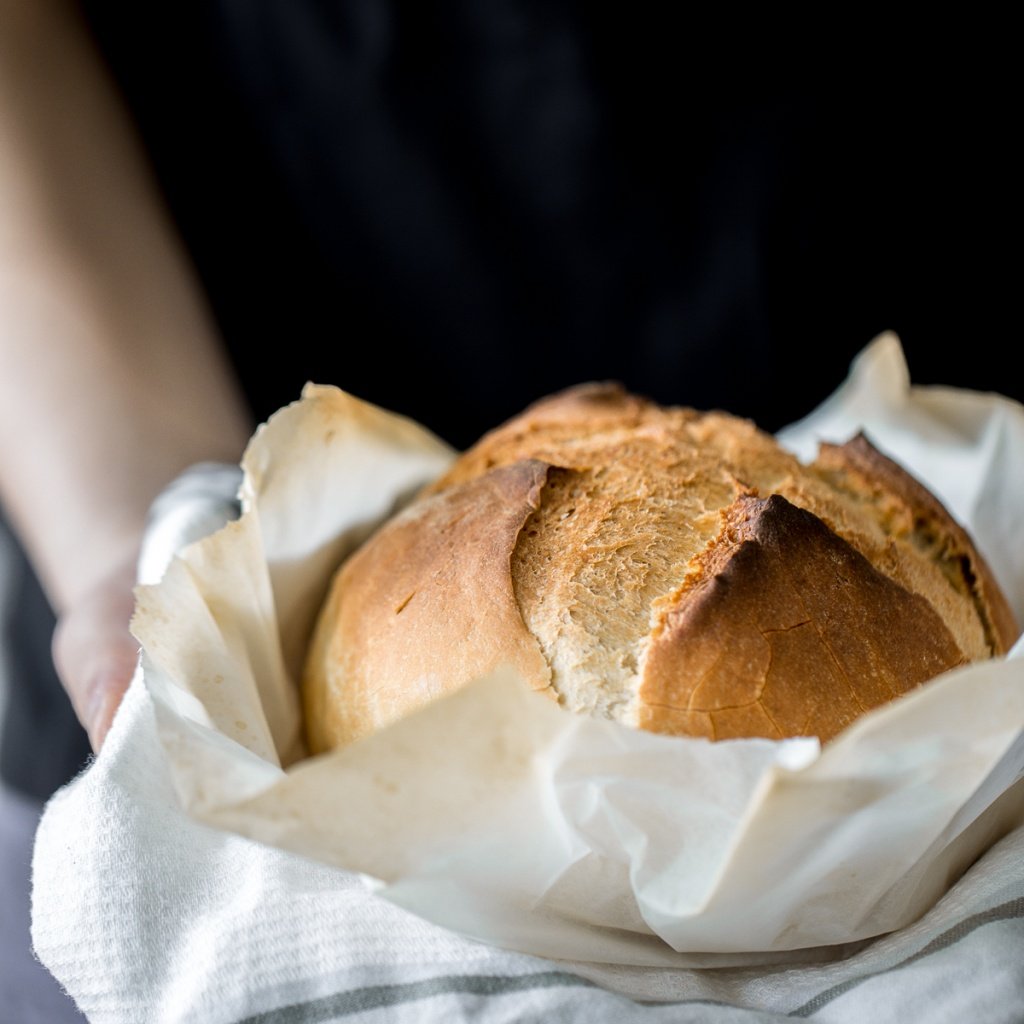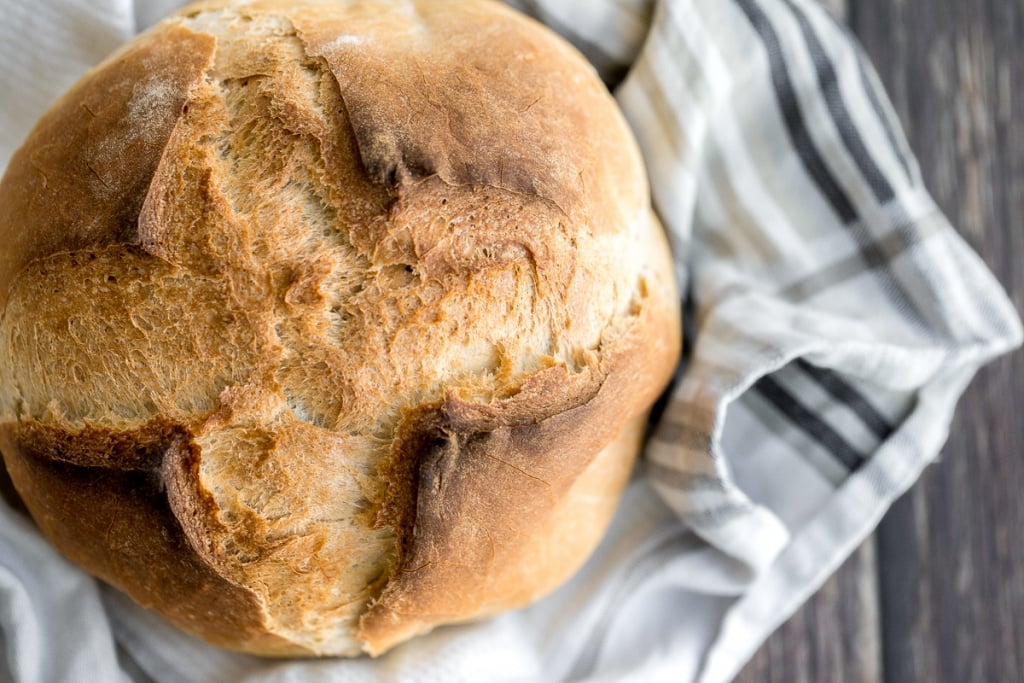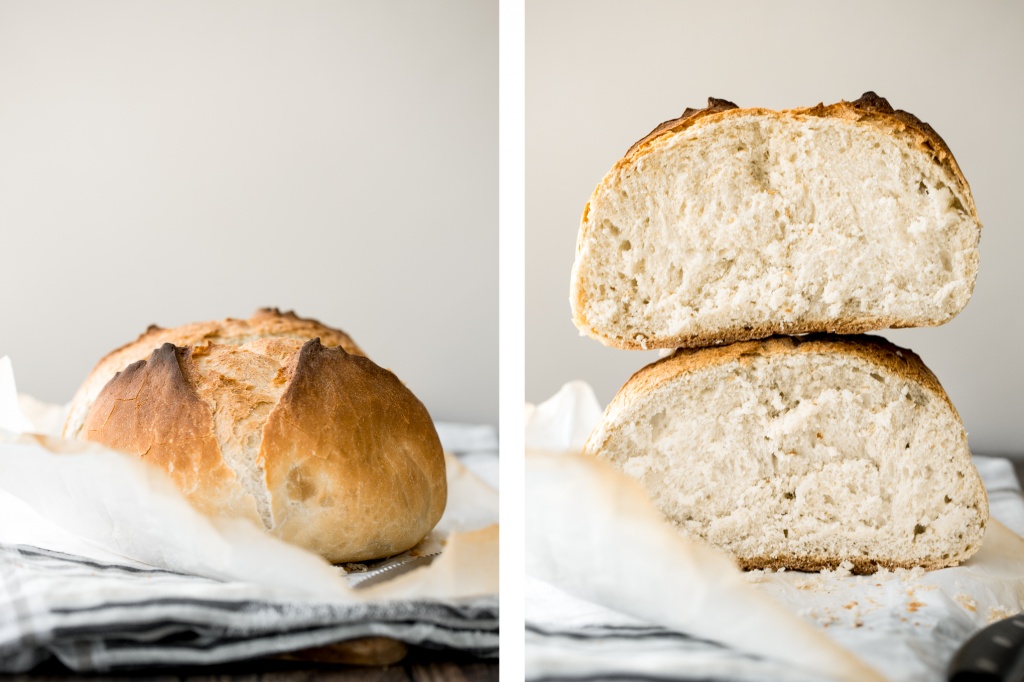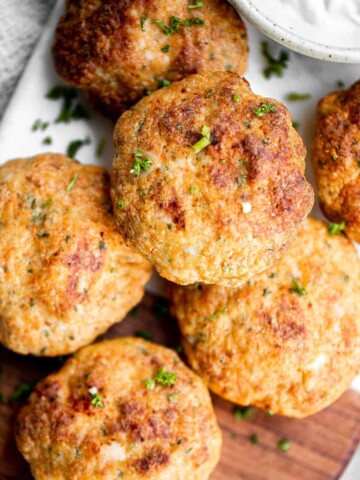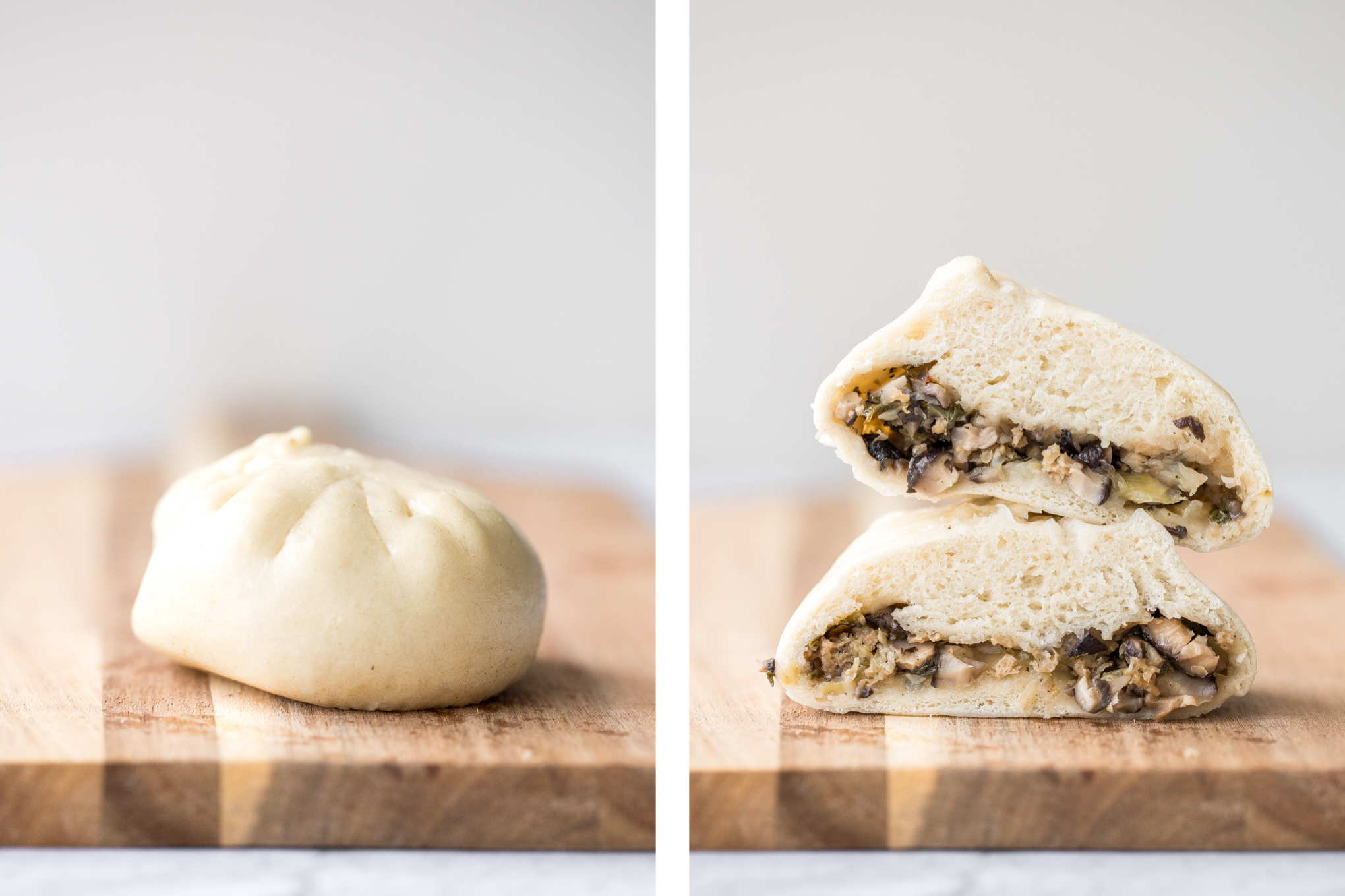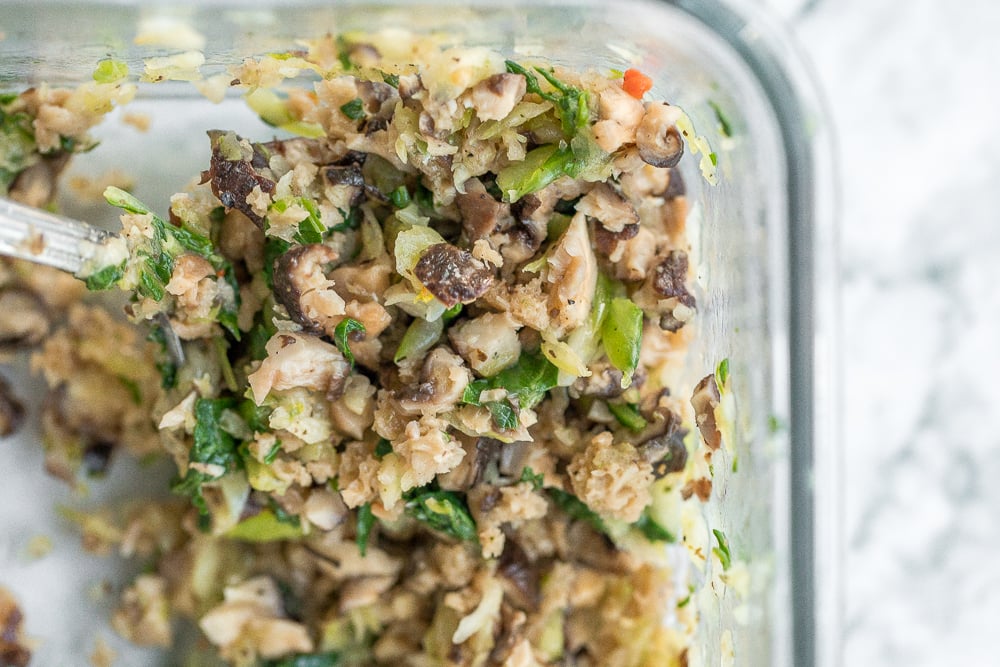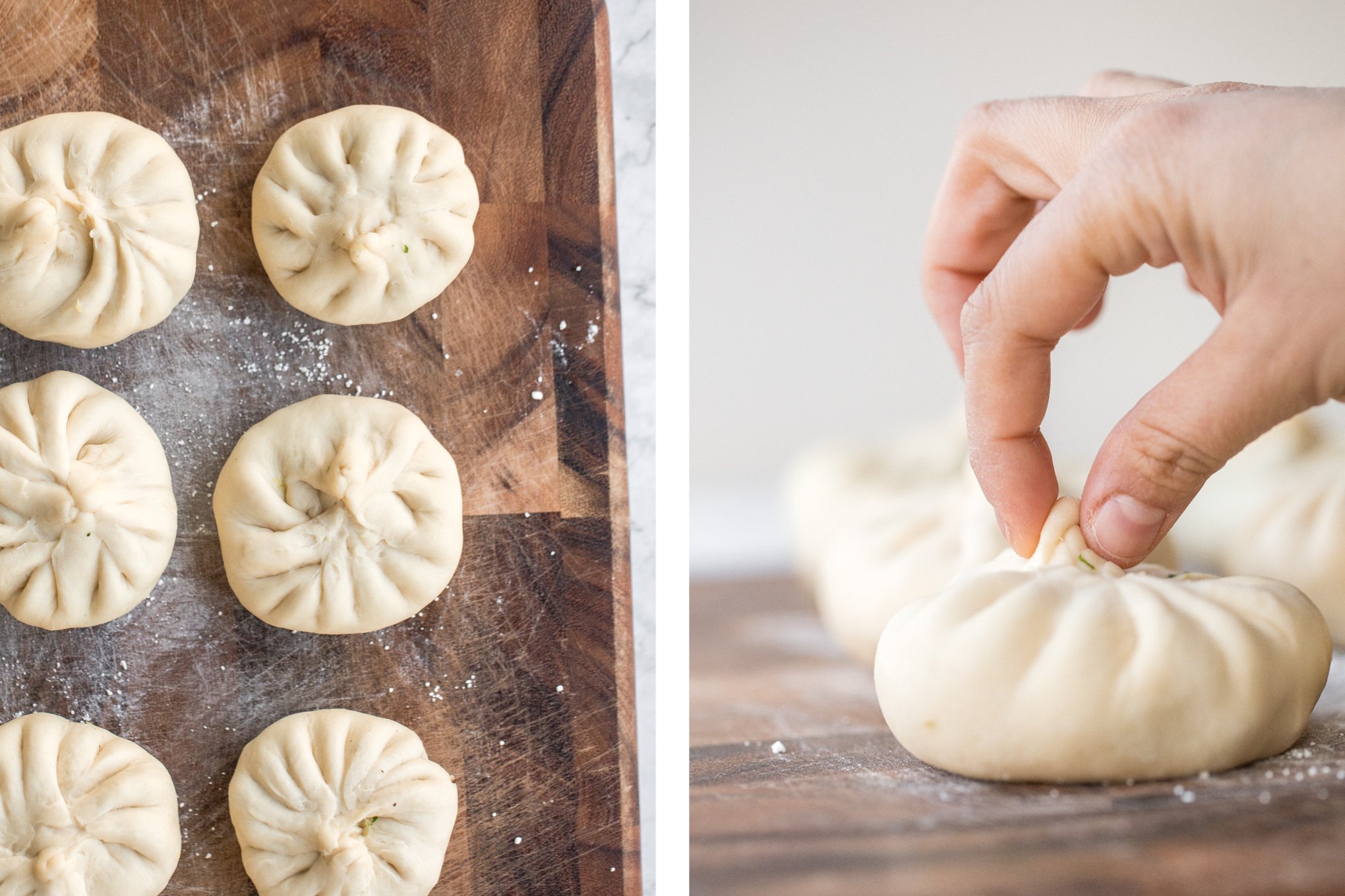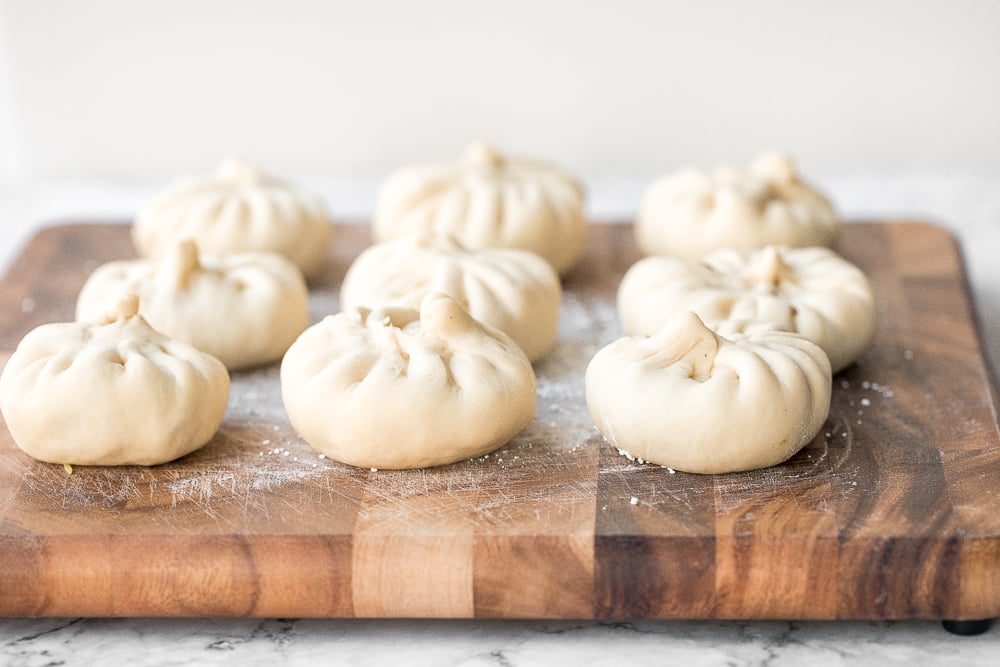

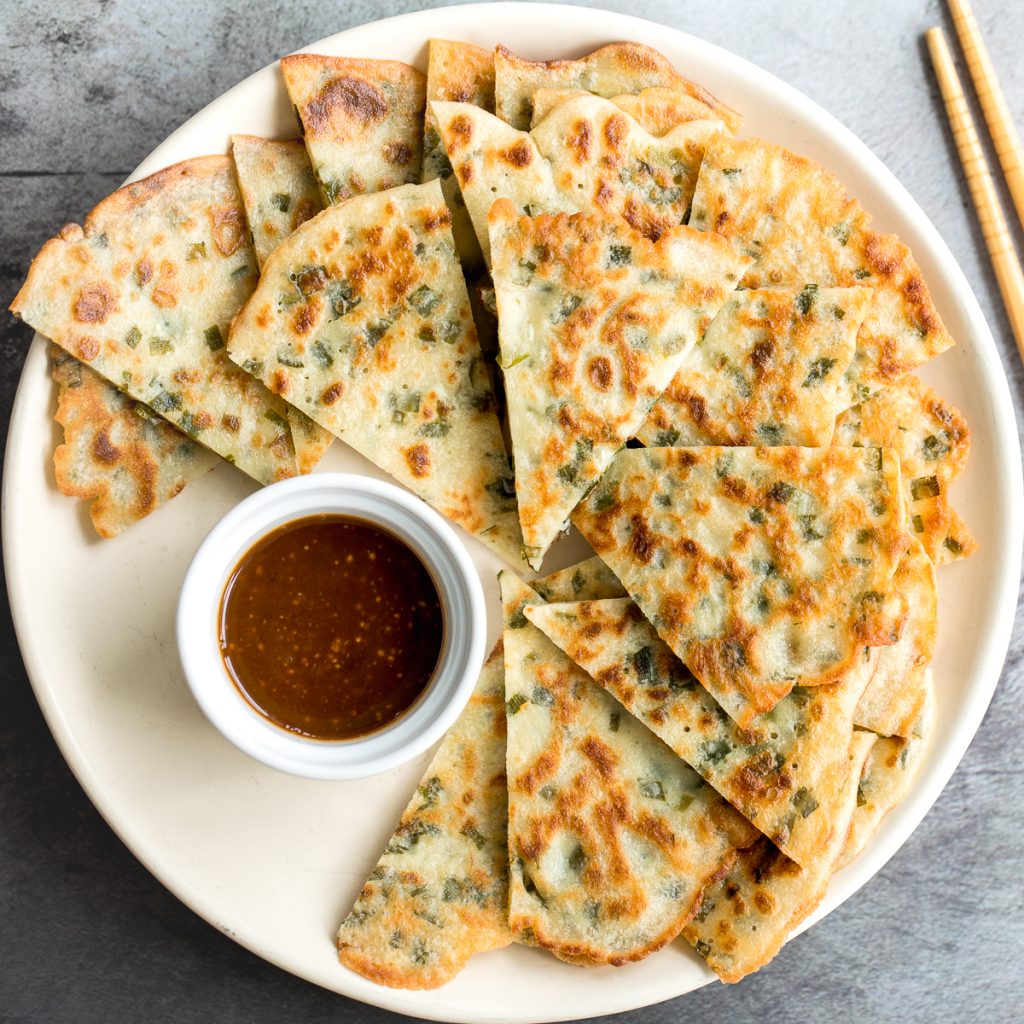
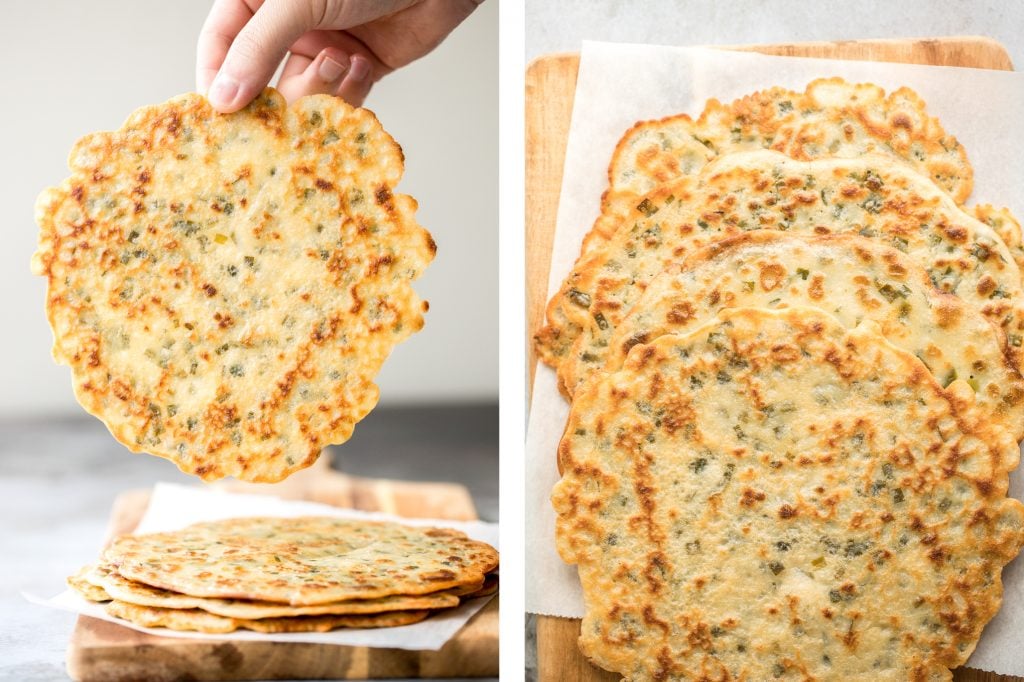
One of the greatest things about maintaining a sourdough starter is baking a fresh loaf of sourdough bread every week. But it also means that you will have excess discard sourdough starter that you may be thinking of throwing out. Instead, use it to make crispy, light and fluffy, savoury chive pancakes. It's a super easy, one bowl, one pan type of recipe.
Ingredients in Savoury Chive Pancakes
These garlicky pancakes are a very popular Chinese street food that are served for breakfast or as a snack. To make them, here is what you will need:
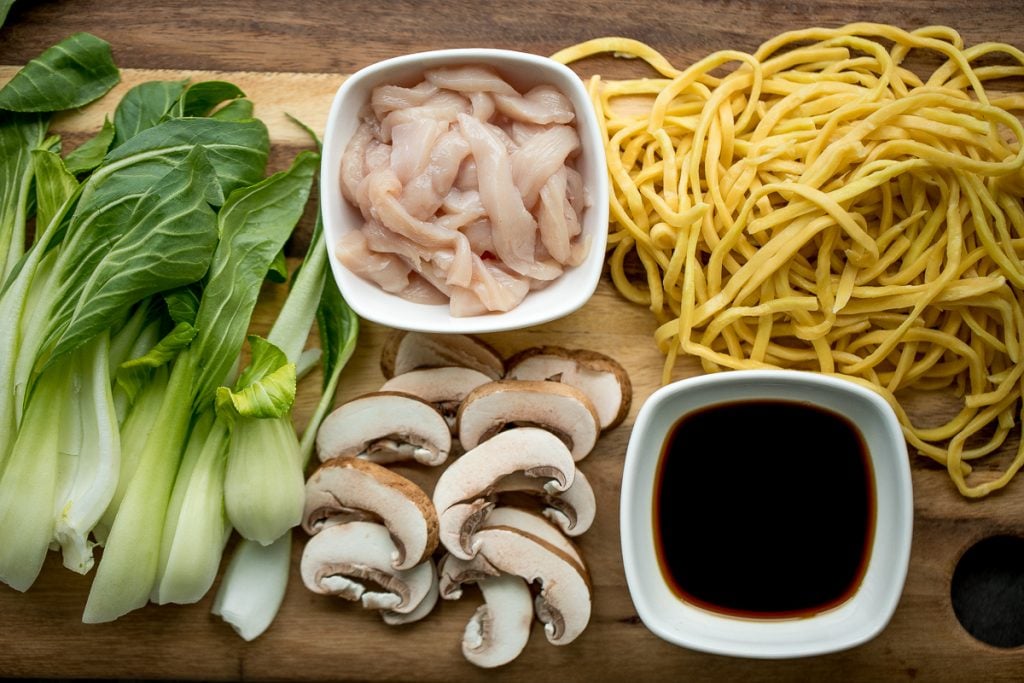
- discard sourdough starter - 300 grams (approximately 1.5 cups)
- water
- egg
- olive oil
- all-purpose flour
- chives - can substitute with green onions or scallions.
- salt
- vegetable oil - or cooking spray oil
How to Make Savoury Chive Pancakes with Sourdough Starter
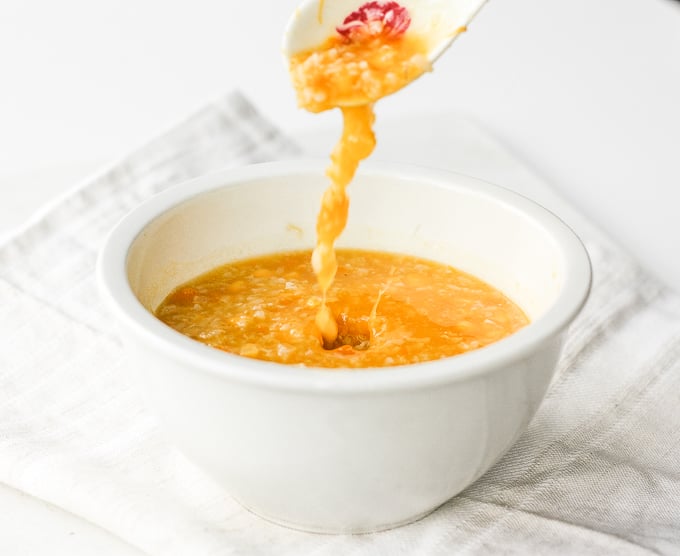
- Combine ingredients. In a large mixing bowl, combine discard sourdough starter with water. Add egg and olive oil and whisk to combine. Add flour and combine. The dough should feel quite wet and soft. Let it rest for 30 minutes. Then, add chives and salt into the batter and stir to combine.
- Cook the pancakes. Lightly grease a small non-stick frying pan with vegetable oil, or spray with a little cooking spray oil. Heat over medium heat for 1 minute, then pour ½ cup (110 grams) of the batter to the hot pan. Swirl the pan to spread the batter so that it covers the surface. Cook the pancake cook until golden brown, about one minute, and then flip to cook for other side for one more minute. Repeat this step with remaining batter.
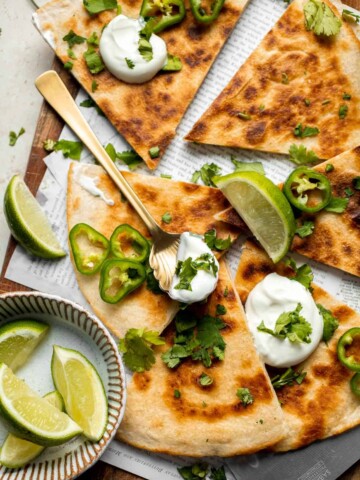
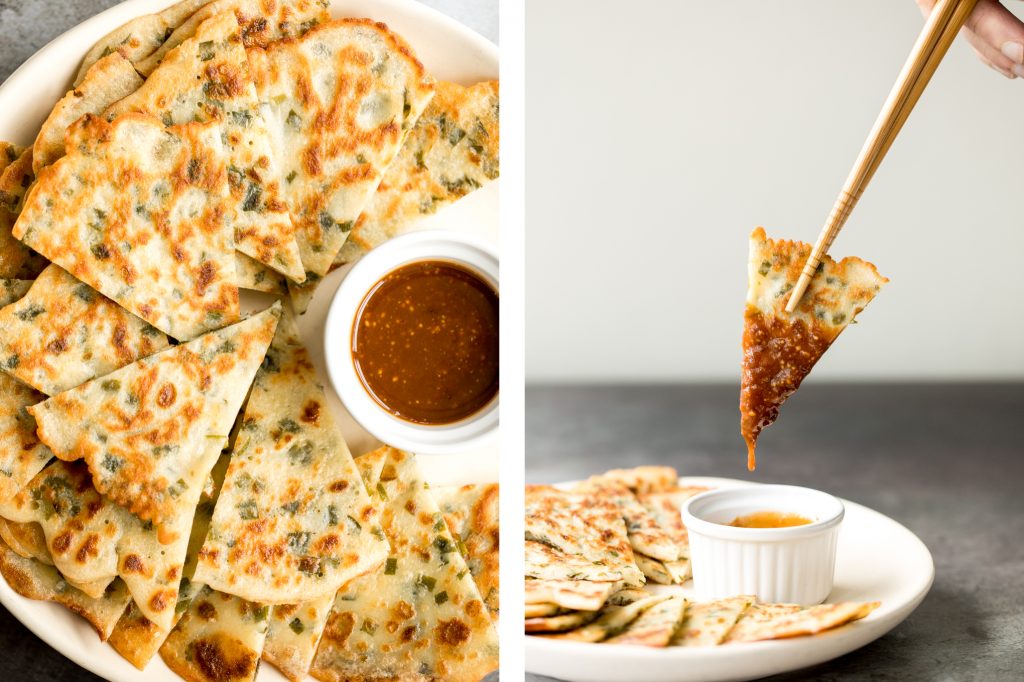
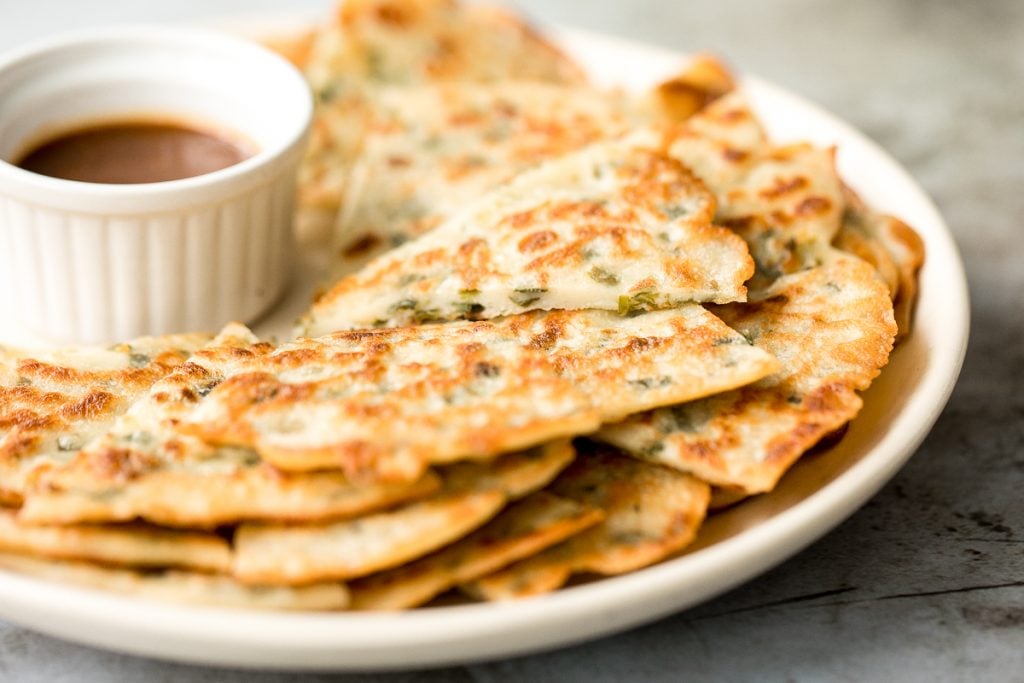
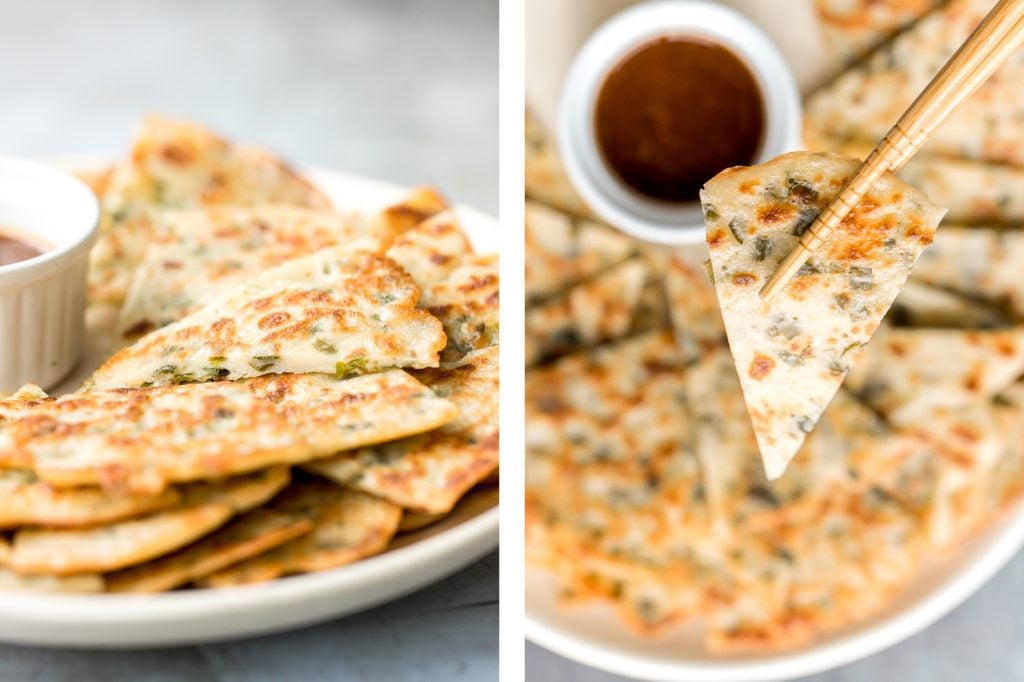
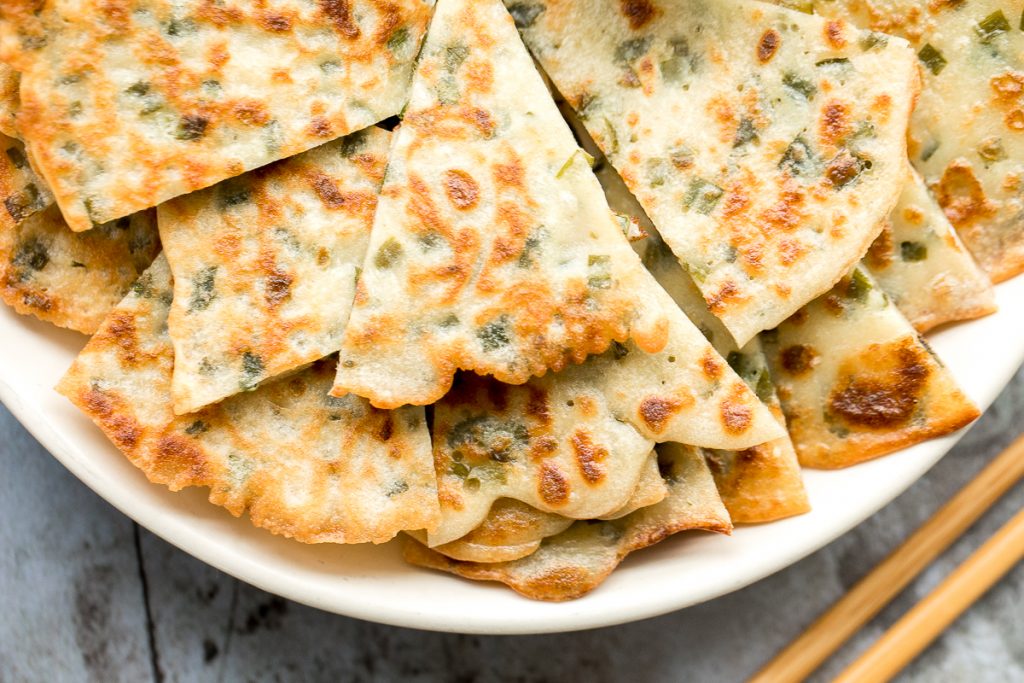
- Serve. Cut pancakes into small triangle pieces using a pizza cutter or knife. Serve on its own or with a side of peanut butter dipping sauce or hot sauce.
Tips for Making the Best Chive Pancakes
- What is the texture like? The texture of these pancakes are soft, light and fluffy. For a denser pancake that is more crepe-like, use ¼ cup of water in the recipe instead.
- Make them crispier. You can make these pancakes crispier by cooking each side for an extra minute. Just make sure to keep a close eye on them so that they don't burn. There is a very fine line between super crispy and burned, and you don't want to cross it.
- How to serve chive pancakes. Chive pancakes are a popular Chinese street food that are normally served for breakfast or as a snack. They are best served immediately after cooking. Once they cool down, they loose some of their crispiness.
- How to freeze chive pancakes. To freeze, tightly wrap the pancakes individually in aluminum foil, place them into a large ziploc bag or sealable container and store in the freezer for up to 3 months. To reheat, simply pop into the toaster, air fryer, or 350 F oven for a few minutes.
More Sourdough Recipes
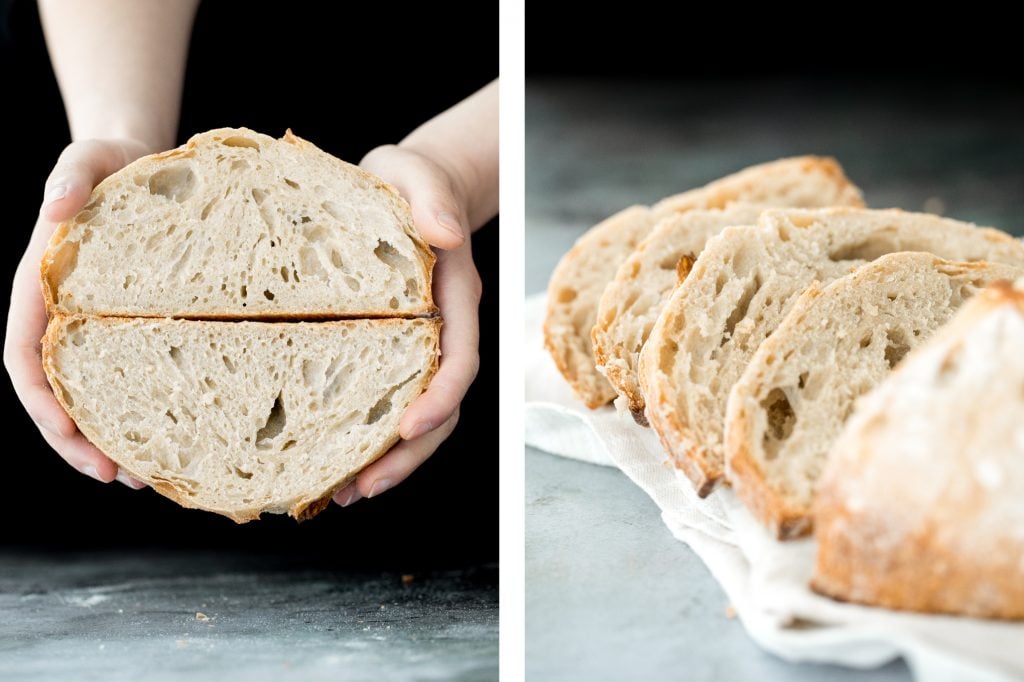
- Small Batch Sourdough Bread
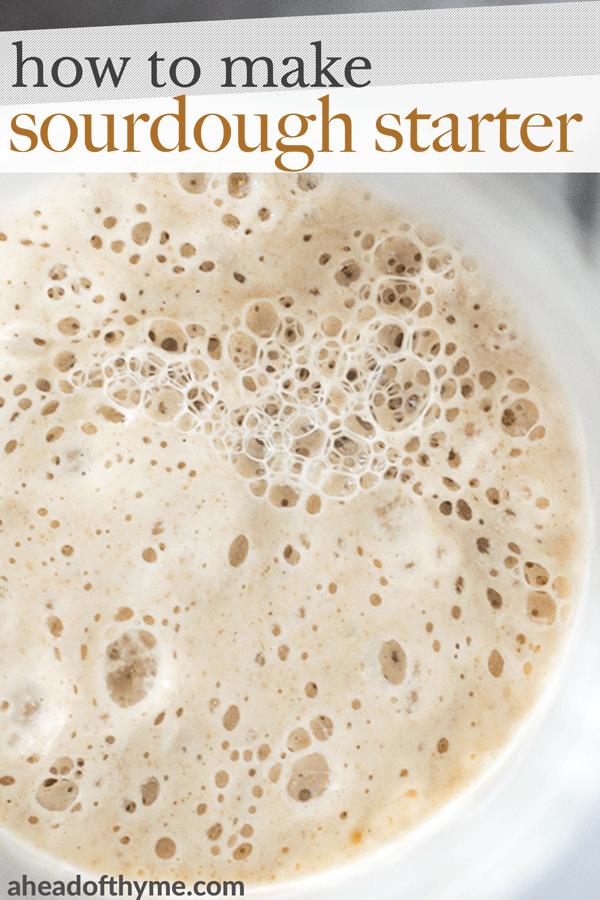
- How to Make a Sourdough Starter
- Artisan Green Olive Sourdough Bread
- Sourdough Cinnamon Roll Twist Bread
- Seeded Whole Wheat Sourdough Bread
Tried this recipe?
I'd love to hear what you think! Leave a comment and rating below to share your feedback. Your reviews help others discover this recipe and help me keep creating more free recipes for you. Snap a photo and tag me on social media @aheadofthyme too.