
Whether it is your very first Christmas baking season or you already have a well loved cookie lineup, this Christmas Baking Guide will walk you through everything you need for stress free holiday baking. You will learn about common baking ingredients and how to choose them, essential baking tools, how to measure ingredients the right way, and practical tips for making desserts ahead, storing them, and even mailing cookies as gifts. Plus, you can grab free printable holiday baking checklists to help you plan, shop, and bake like a pro this Christmas.

Christmas is one of the busiest times of year. Between shopping, hosting, and family events, it can feel overwhelming to also tackle a long list of Christmas cookies, cakes, and pies. This guide is here to simplify that part of the season. Use it as a one stop resource for all things holiday baking, from pantry staples and room temperature butter tips to packaging and shipping Christmas cookies safely.
Use the Table of Contents below to jump to the section you need, or read straight through as you plan your Christmas baking day.
Jump to:
- Common Christmas Baking Ingredients
- Room Temperature Ingredients for Holiday Baking
- How to Choose the Right Ingredients
- How to Measure Baking Ingredients Correctly
- Essential Baking Tools for Christmas Baking
- Common Baking Terms to Know
- Tips for Making Christmas Baking Ahead and Storing
- How to Package and Mail Holiday Cookies
- Avoid Common Christmas Baking Mistakes
- Our Best Baking Tips
- Christmas Baking Recipes
- Final Tips
- Comments

now available!
Get Your Free Holiday Baking Checklists!
Stay organized this baking season with our printable recipe planner, pantry checklist, and baking shopping list.
Common Christmas Baking Ingredients
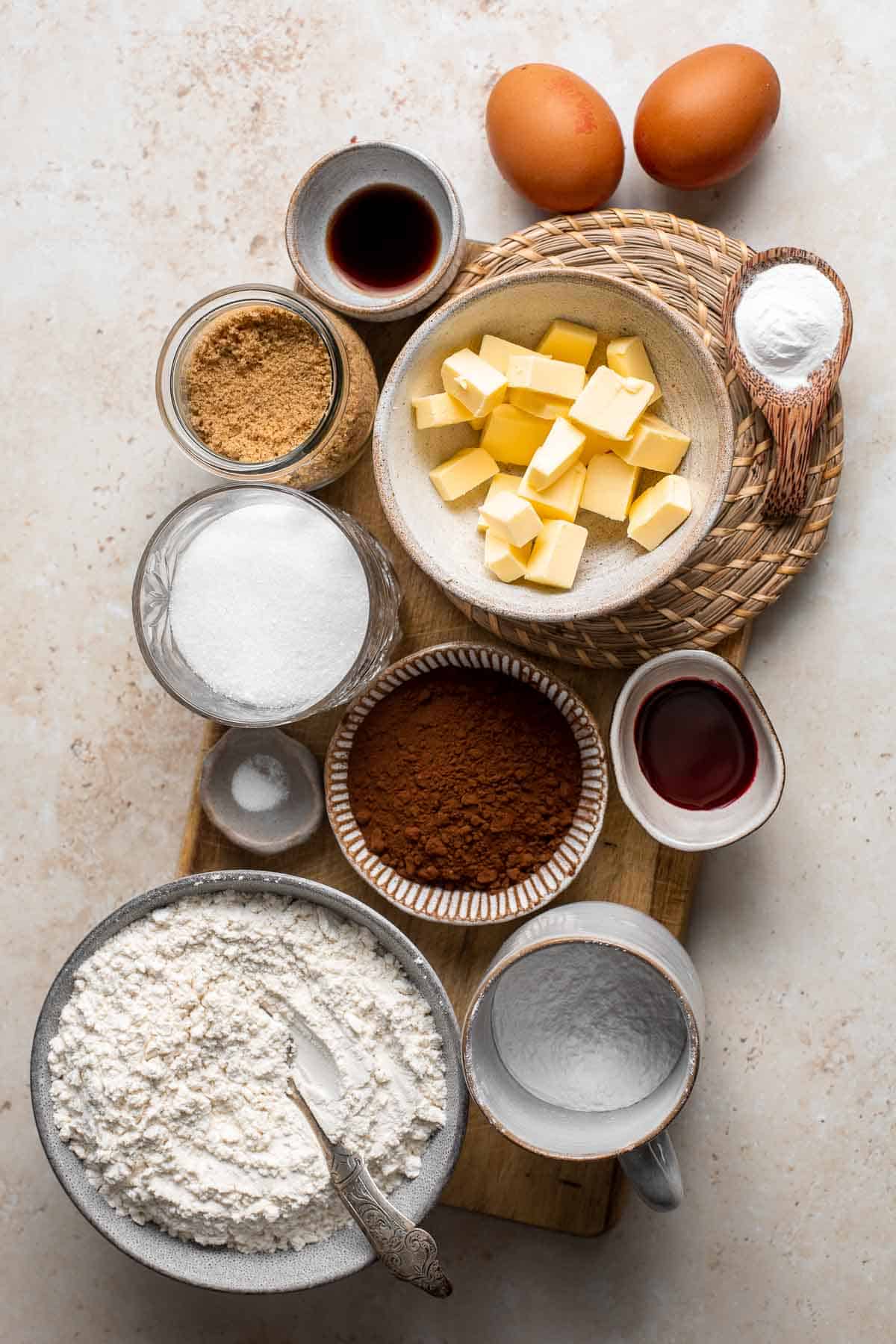
Before you preheat the oven, it helps to understand the common baking ingredients you will reach for again and again during the holidays.
Pantry Staples
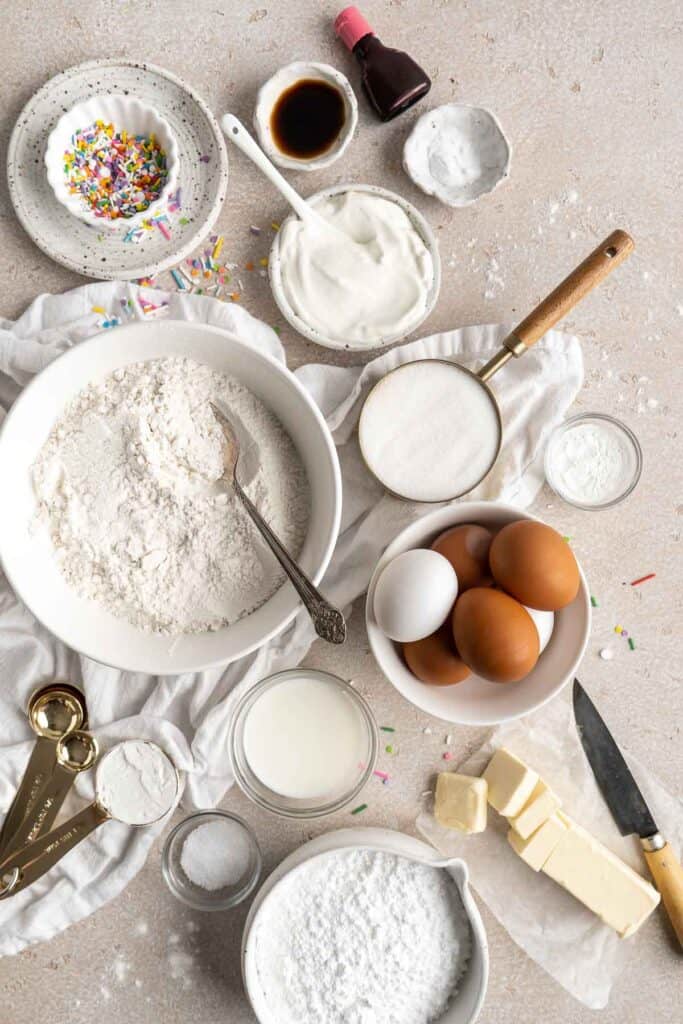
- Flour. There are many different types of flour, including all purpose flour, bread flour, cake flour, self rising flour, whole wheat flour, and gluten free flour. They vary by protein content and purpose, and that affects texture in cookies, cakes, and breads.
- Granulated sugar. White granulated sugar is also called cane sugar. There are also other granulated sweeteners like coconut sugar, date sugar, and sugar substitutes such as stevia or Swerve, which some recipes are specifically developed for.
- Brown sugar. Brown sugar is granulated sugar mixed with molasses, which adds moisture, deeper color, and a richer caramel flavor. It is common in Christmas cookies and bars.
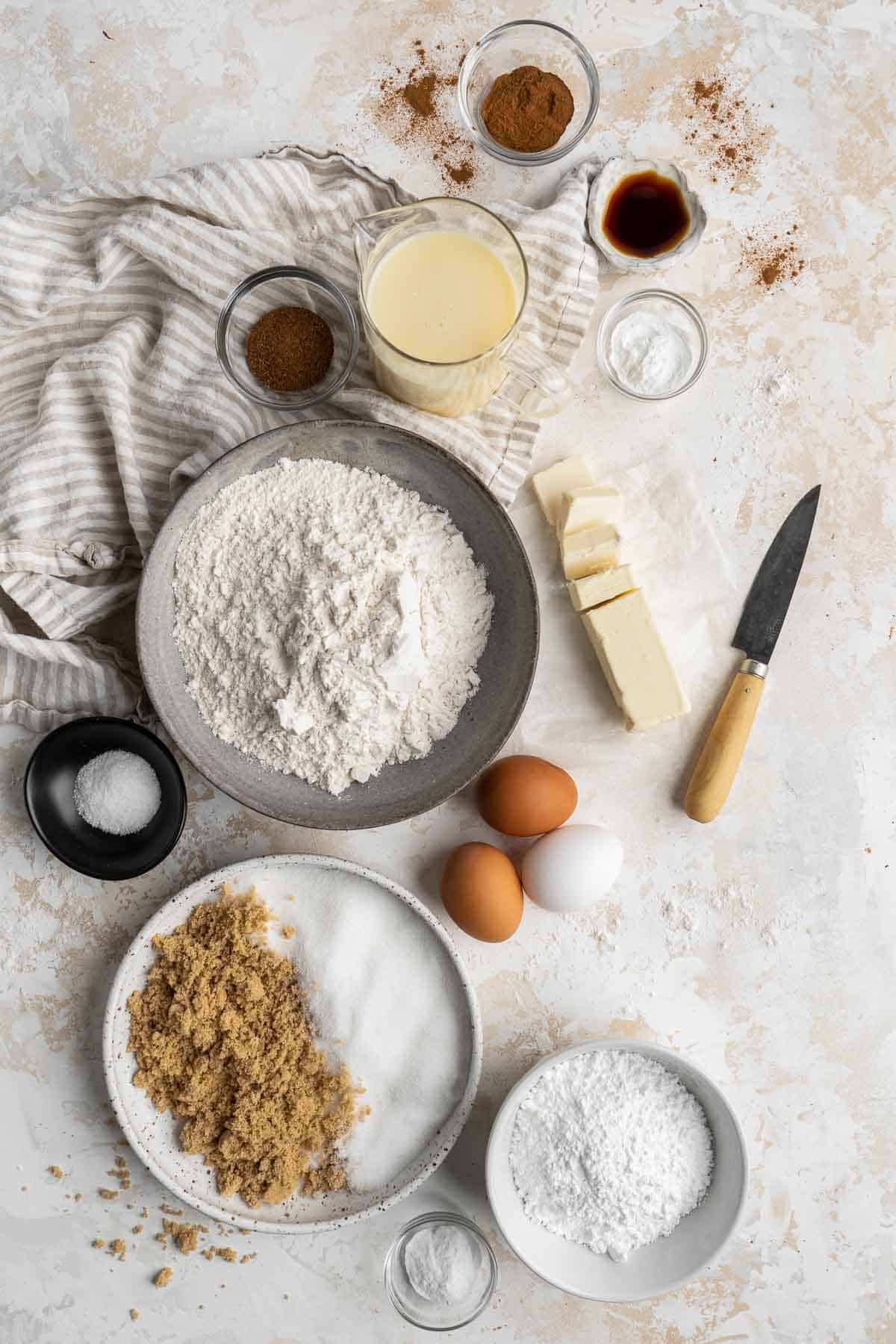
- Confectioners' sugar. Confectioners' sugar, also called powdered sugar, is very finely ground. It is used to dust finished baked goods, make glazes, and whip up light and fluffy frostings and meringues.
- Baking soda and baking powder. These are leavening agents that help baked goods rise and give cakes, muffins, and cookies structure. They are not interchangeable, so always follow the recipe.
- Salt. Finely ground salt balances sweetness and brings out flavor. Some recipes also call for flaky salt as a finishing touch to add texture and a burst of salty contrast.
- Vanilla extract. Vanilla extract provides a warm, aromatic base flavor in almost every Christmas dessert. You can often swap in vanilla bean paste for an even richer vanilla taste.
- Cocoa powder. Cocoa powder adds chocolate flavor to cakes, brownies, cookies, and hot chocolate mixes. Most recipes call for unsweetened cocoa powder, and some specify natural or Dutch processed.
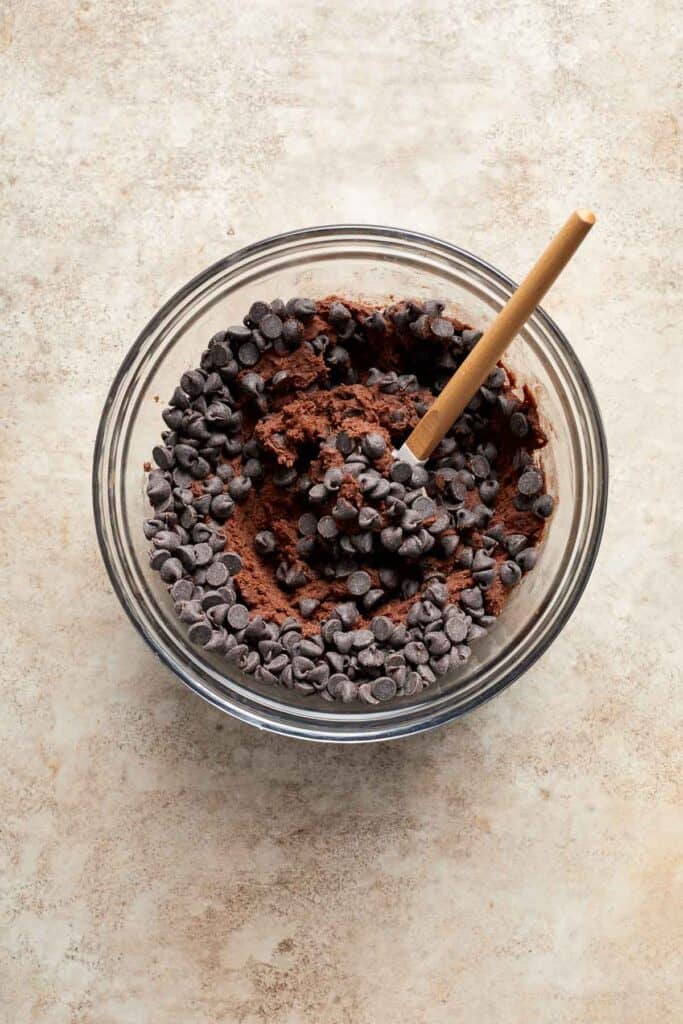
- Chocolate chips. Chocolate chips, chocolate chunks, and chopped chocolate bars are used as mix ins for cookies, brownies, fudge, and candy.
- Nuts. Walnuts, hazelnuts, pecans, almonds, and pistachios are popular in holiday baking for flavor and crunch.
- Oil. Neutral oils like vegetable oil, grapeseed oil, avocado oil, and light olive oil help keep baked goods moist and prevent sticking.
- Yeast. Yeast is necessary for breads, rolls, and some sweet holiday breads. It creates rise and gives dough its airy texture.
Refrigerator Staples
- Butter. Butter is a star ingredient in Christmas baking. It adds flavor, structure, and tenderness. Most baking recipes use unsalted butter so you can control the salt level.
- Milk. Whole milk is commonly used in batters, custards, and frostings to improve browning and add richness.
- Heavy whipping cream. Heavy cream creates rich, creamy desserts and fluffy whipped toppings, and is used in ganaches, sauces, and fillings.
- Eggs. Most baking recipes use large eggs. Shell color does not matter. Eggs provide structure, moisture, and help emulsify ingredients.
Room Temperature Ingredients for Holiday Baking
Many Christmas cookie recipes specify that butter, eggs, or milk should be at room temperature. This helps ingredients mix evenly and gives you the best texture.
Here are quick ways to bring ingredients to room temperature when you forget to take them out in advance.
- Butter. Fill a bowl or mug with hot water and let it sit for a few minutes. Empty it, then place the wrapped butter inside the warm vessel and cover for several minutes. Or cut butter into small cubes and let it sit on the counter.
- Eggs. Place cold eggs in a bowl of warm water, not hot water, for about five minutes to gently warm them.
- Milk. Microwave milk on the lowest power setting in ten second increments, stirring between each, until it reaches room temperature.
How to Choose the Right Ingredients
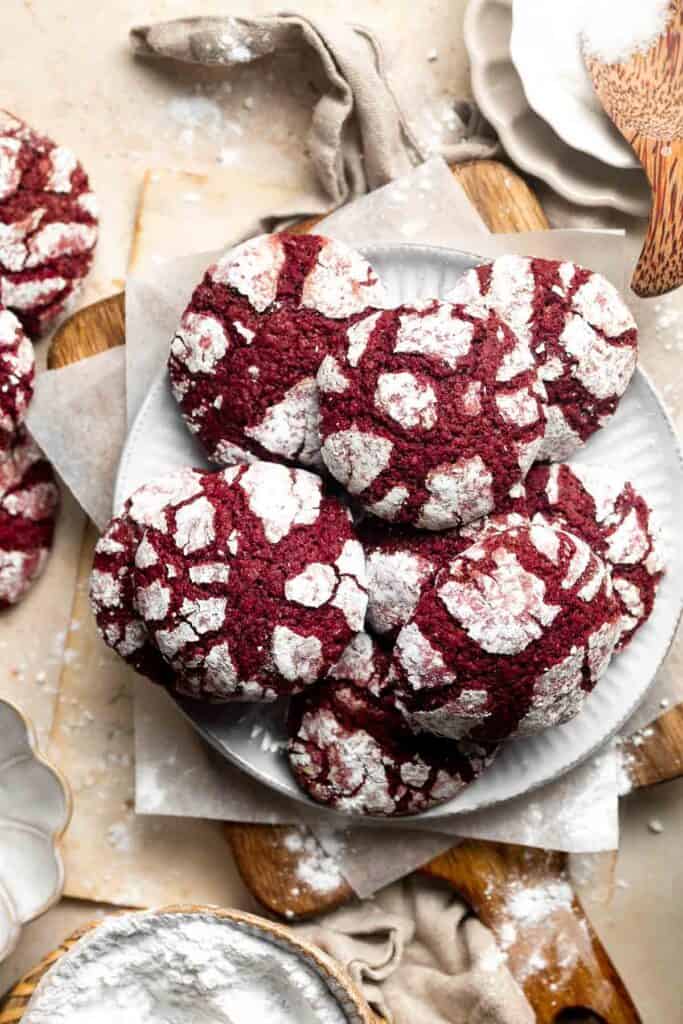
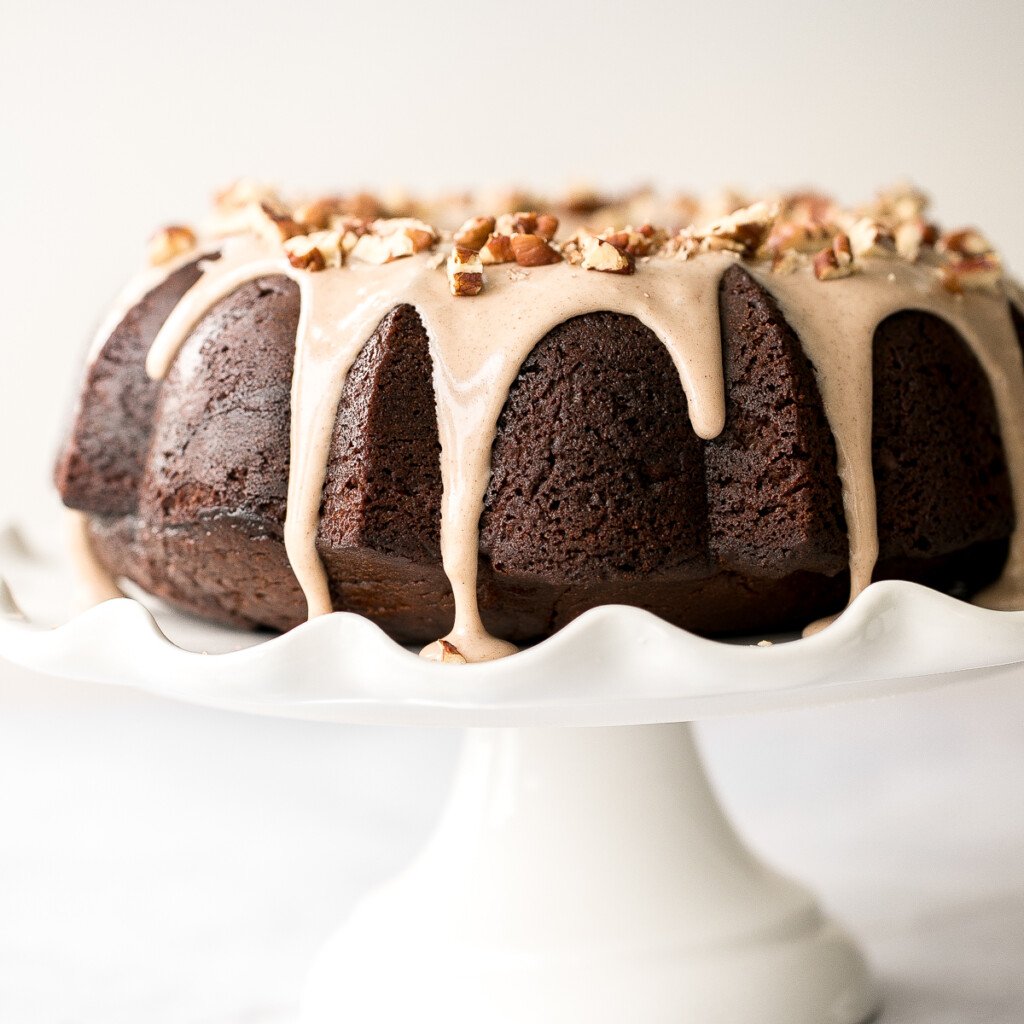
Small ingredient choices can make a big difference in your Christmas baking.
Butter vs margarine
Butter and margarine are both sources of fat, but they behave differently. Butter usually creates a more tender baked good with richer flavor. Margarine has more water and can change the texture, so it is best used as a spread or in recipes that specifically call for it.
Oils
In most recipes, you can use any neutral oil such as vegetable, canola, or avocado oil. Coconut oil has more flavor and behaves differently when cold, so it can slightly change the taste and texture. Choose the oil based on how much flavor you want it to add.
All purpose flour vs specialty flour
Most recipes are written with a specific flour in mind. Bread flour or 00 flour is perfect for breads and pizza crusts, while cake flour is ideal for light, tender cakes. In many cases you can substitute all purpose flour if you do not have the specialty flour, but the final texture will be different.
Eggs
If a recipe calls for large eggs and you only have smaller ones, you can usually use two small eggs in place of one large, especially when the recipe uses more than one egg.
Milk vs milk alternatives
Milk adds fat and helps with browning. Milk alternatives like almond milk or oat milk tend to have less fat, but can work as one to one substitutes in many recipes when you need a dairy free option. Expect slight changes in flavor and texture.
Granulated sugar vs confectioners sugar
Granulated sugar is used in batters and doughs, and confectioners sugar is used for icings, glazes, and dusting. It dissolves quickly and creates smooth, light frostings.
How to Measure Baking Ingredients Correctly
Using a kitchen scale
A kitchen scale is the most precise way to measure ingredients.
- Place your empty bowl or cup on the scale
- Press the tare or zero button
- Add your ingredient until you reach the desired weight
Always zero out the scale between ingredients so you are not including the weight of the container.
Measuring dry ingredients without a scale
Spoon or pour the ingredient into a dry measuring cup. Do not pack it down unless the recipe says to. Level the top with the back of a knife.
This prevents you from using too much flour, cocoa, or sugar, which can make baked goods dense or dry.
Measuring liquid ingredients without a scale
Use a clear liquid measuring cup (or normal measuring spoons) to measure liquids by volume instead of weight. Set it down of a flat surface so that it is level. Then, get down to eye level to check the measurement.
This helps ensure your milk, oil, or water measurements are accurate.
Essential Baking Tools for Christmas Baking
You do not need a full bakery setup to make beautiful Christmas desserts. These tools cover most holiday baking projects.
Small Baking Tools
- Measuring cups. Used to measure both dry and liquid ingredients. Dry cups are meant for flour and sugar, while liquid cups have a spout.
- Kitchen scale. Digital or analog, it is used to weigh ingredients for accuracy.
- Mixing bowls. A variety of sizes is helpful for mixing batters, whipping cream, and working with doughs.
- Silicone spatula. Great for folding batters and scraping every last bit from the bowl.
- Flat spatula. Also called a turner, used to lift and flip cookies, pancakes, and other baked goods.
- Icing spatula. Also known as an offset spatula or palette knife, perfect for spreading frosting smoothly over cakes and cupcakes.
- Whisk. Used to mix ingredients and add air to mixtures like eggs, cream, and thin batters.
- Rolling pin. Used to roll out pie crusts, sugar cookies, and other doughs.
- Chef's knife. For chopping chocolate, nuts, fruit, and more.
- Bench scraper. A flat tool that makes it easy to cut and portion dough and scrape surfaces clean.
- Wooden spoons. Sturdy spoons that are ideal for mixing thicker batters and doughs.
- Cookie scoop. Helps portion cookies evenly and makes scooping muffin or cupcake batter less messy.
Kitchen Appliances
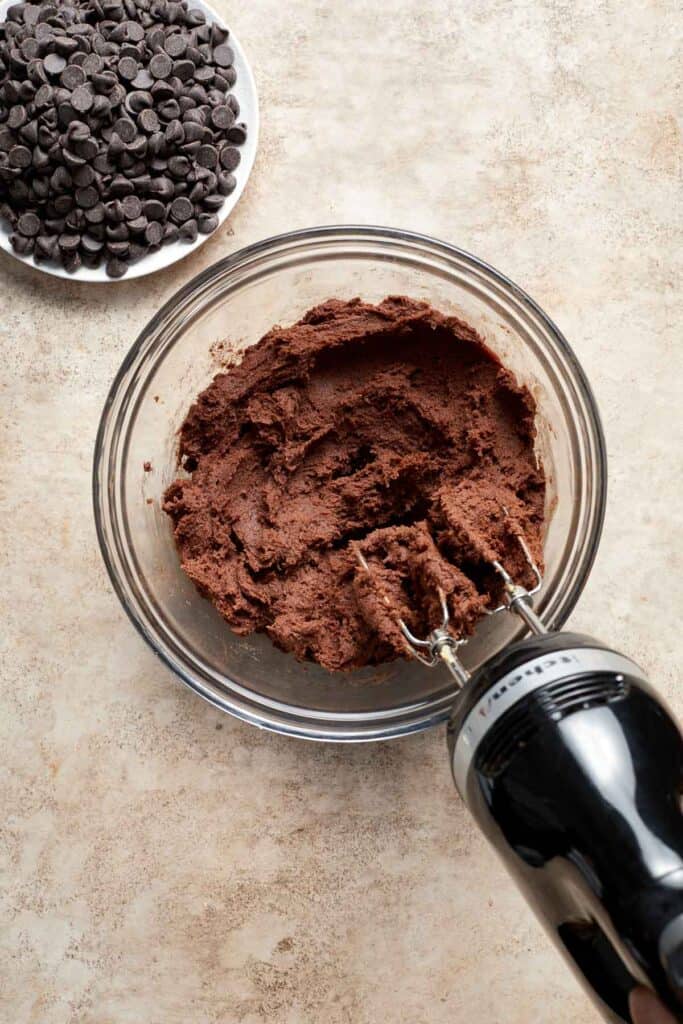
- Hand mixer or stand mixer. Used to beat, cream, and knead ingredients. Attachments like paddle beaters and dough hooks make many baking tasks easier.
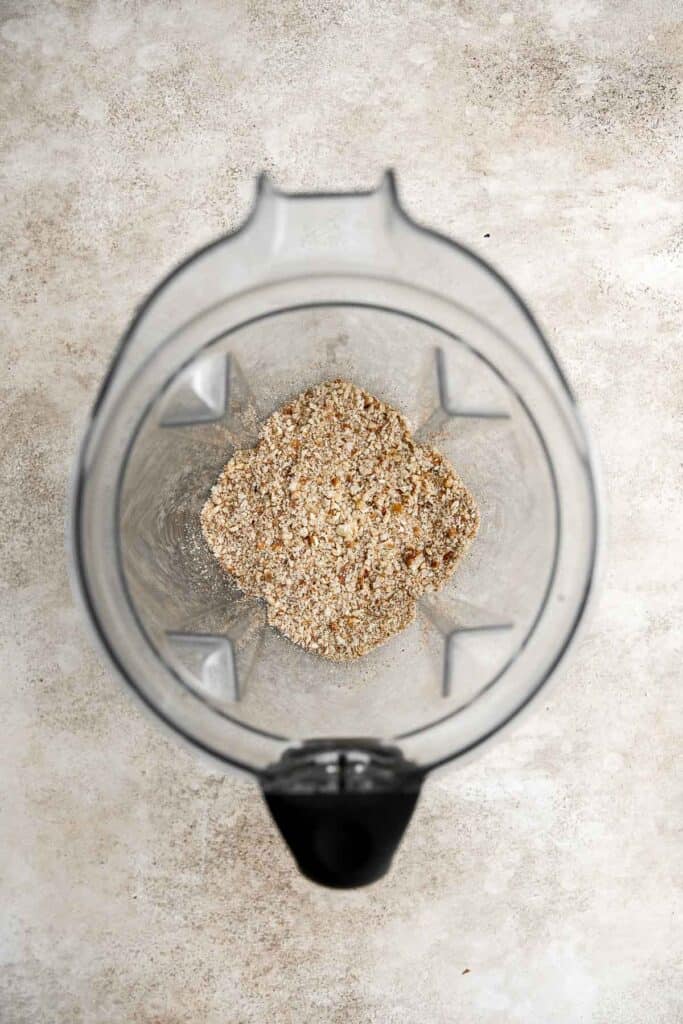
- Blender or food processor. Helpful for pureeing ingredients, making crumbs, or quickly combining some doughs and crusts.
Bakeware
- Sheet pan. Flat rectangular pans with short sides, used for cookies, pastries, and roasting nuts. Half sheet baking pans and quarter sheet baking pans are most versatile.
- Loaf pan. Rectangular pans for breads and loaf cakes. The most common ones are 8.5 x 4.5-inch loaf pans (1 pound loaf pan) and 9x5-inch loaf pans (1.5 pound loaf pan).
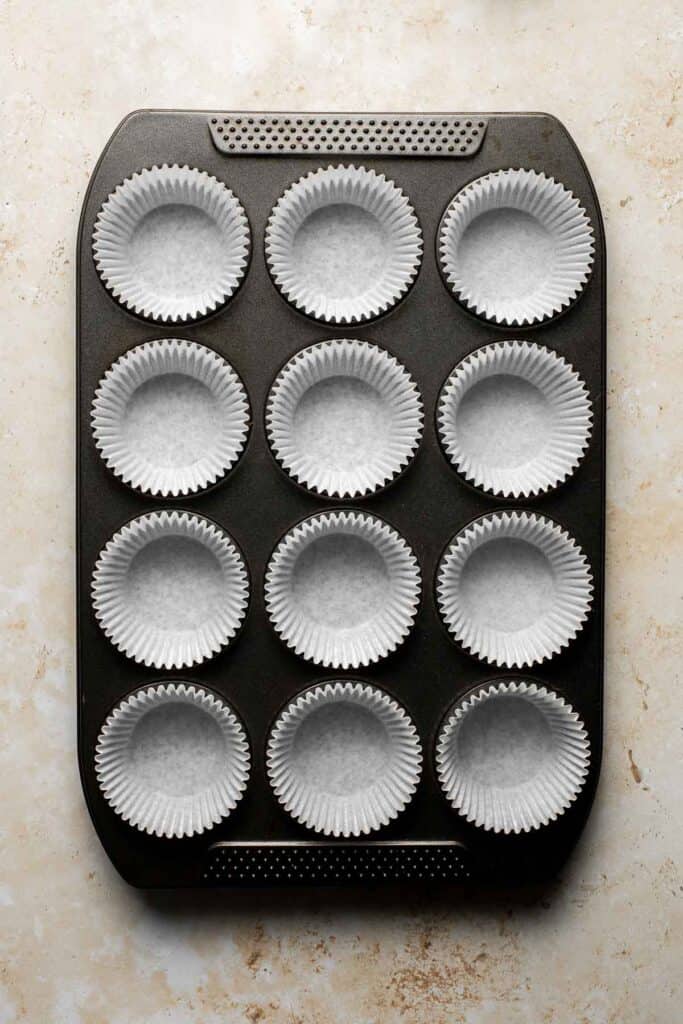
- Muffin and cupcake tins. Standard 12-cup muffin pan or mini muffin pan for cupcakes, muffins, and other small treats.
- Round cake pans and springform pans. Used for layer cakes and cheesecakes. Some common sizes are 6-inch round pan, 8-inch round pan, 9-inch round pan, and 10-inch round pan. Springform pans have removable sides which help with delicate desserts. We always use our 8-inch springform pan.
- Pie dish. Metal or glass pans used to shape and bake pies and tarts. The most standard size is a 9-inch pie dish.
- Square and rectangular baking pans. Common sizes like 8 inch square, 9 inch square, and 9 by 13 inch pans are used for brownies, bars, and sheet cakes. Our favorites are 8-inch square baking pan, 9-inch square baking pan, and 9x13-inch baking pan.
- Wire cooling rack. Allows air to circulate around baked goods so they cool evenly and do not become soggy.
Common Baking Terms to Know
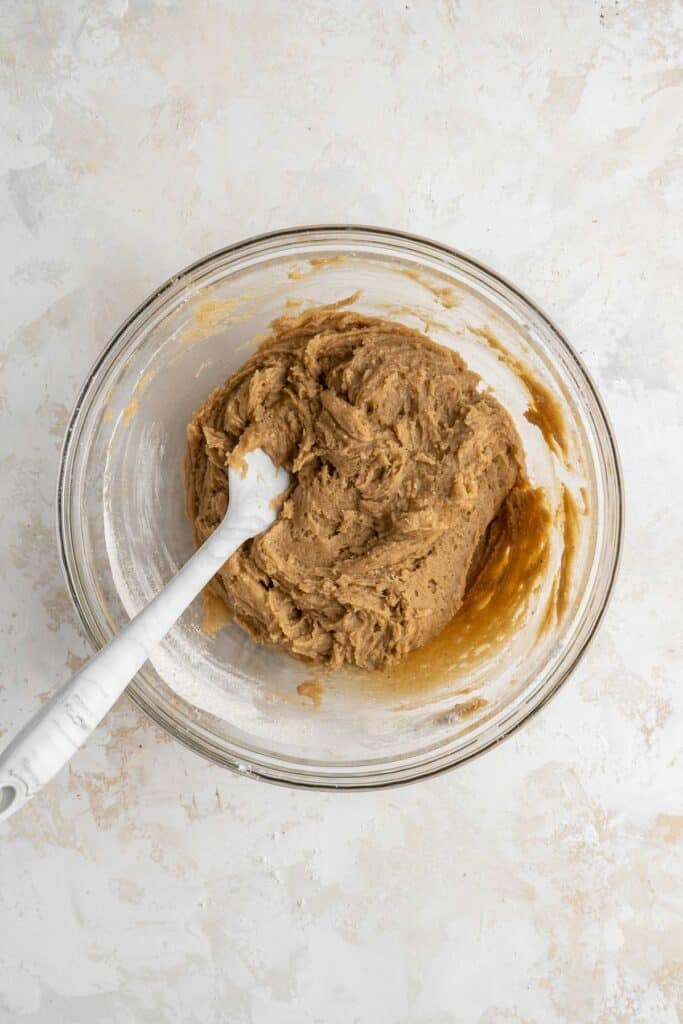
Blend
Blending refers to either simply combining ingredients together by stirring them until they become one uniform mixture, or adding ingredients to a blender or food processor until ingredients break down and incorporate fully.
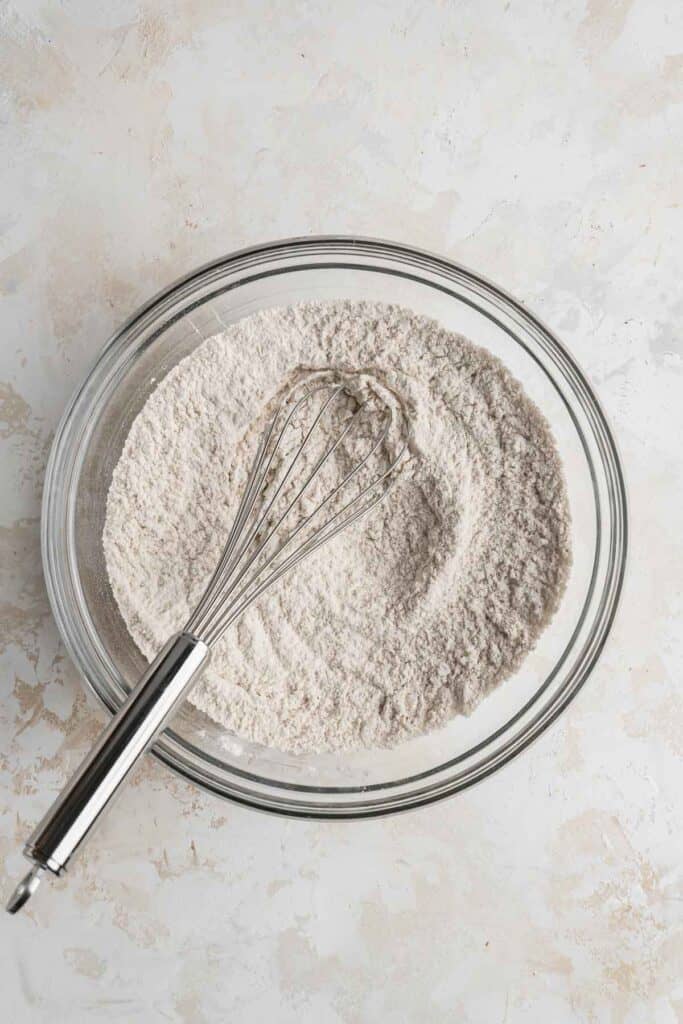
Whisk
Whisking incorporates air into a mixture by using a fork or whisk to rapidly stir ingredients together.

Beat
Beating is a rapid way of stirring (usually with a whisk, fork, hand mixer, or stand mixer) to incorporate ingredients, usually two liquids or a liquid and a solid.
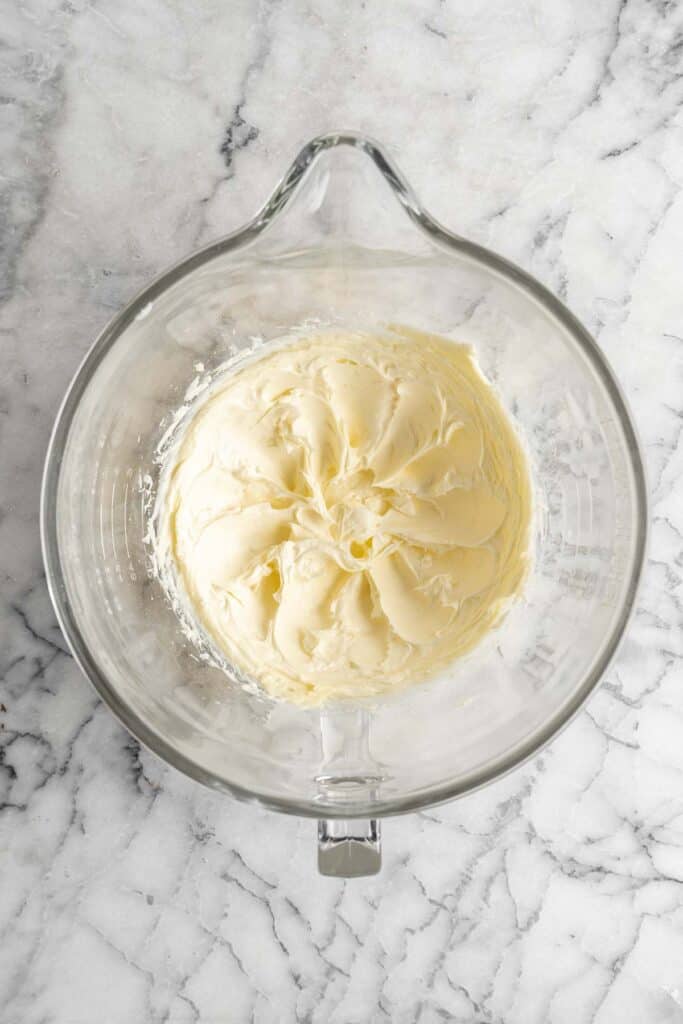
Cream
Creaming is beating softened butter (and sometimes sugar) at a high speed until it becomes light and fluffy.
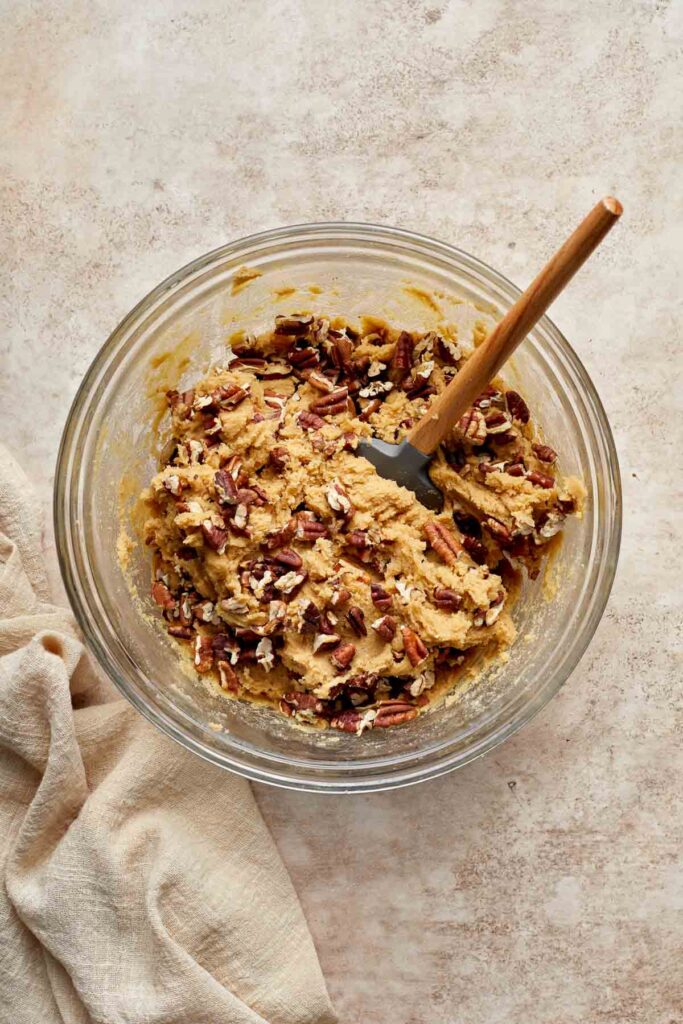
Fold
Gently combine two ingredients by scooping from the bottom of the bowl and turning over, which protects air bubbles in batters and whipped cream. You often fold in mix ins to cookie dough such as chocolate chips or nuts.
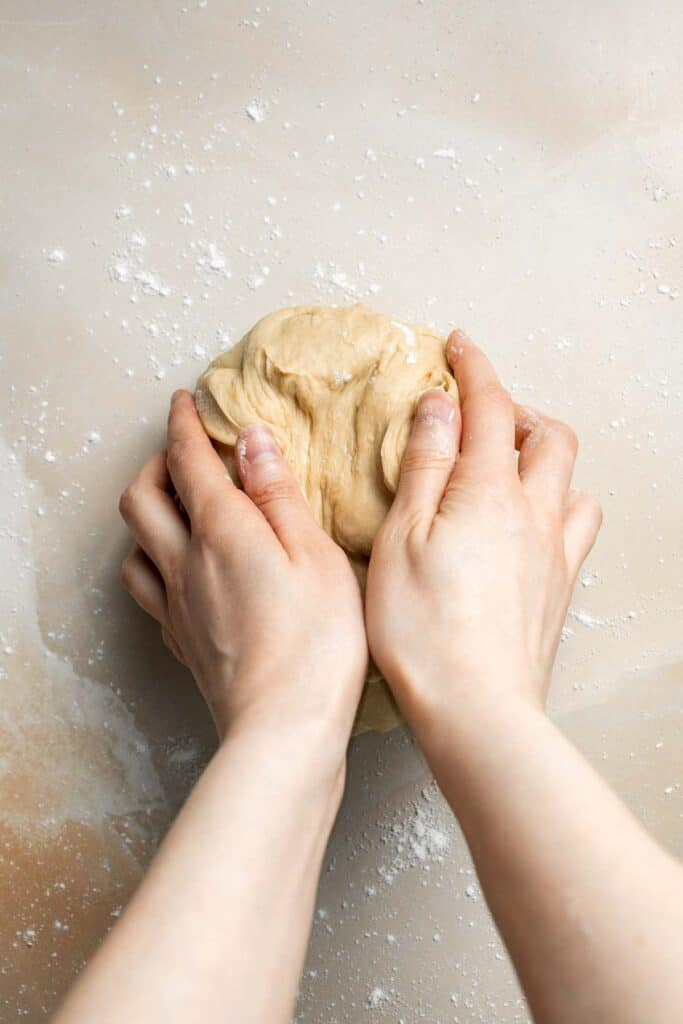
Knead
Kneading refers to working or pressing bread dough (by hand or in a stand mixer with a kneading hook) to smooth the dough and form strands of gluten to give the bread shape when it bakes.
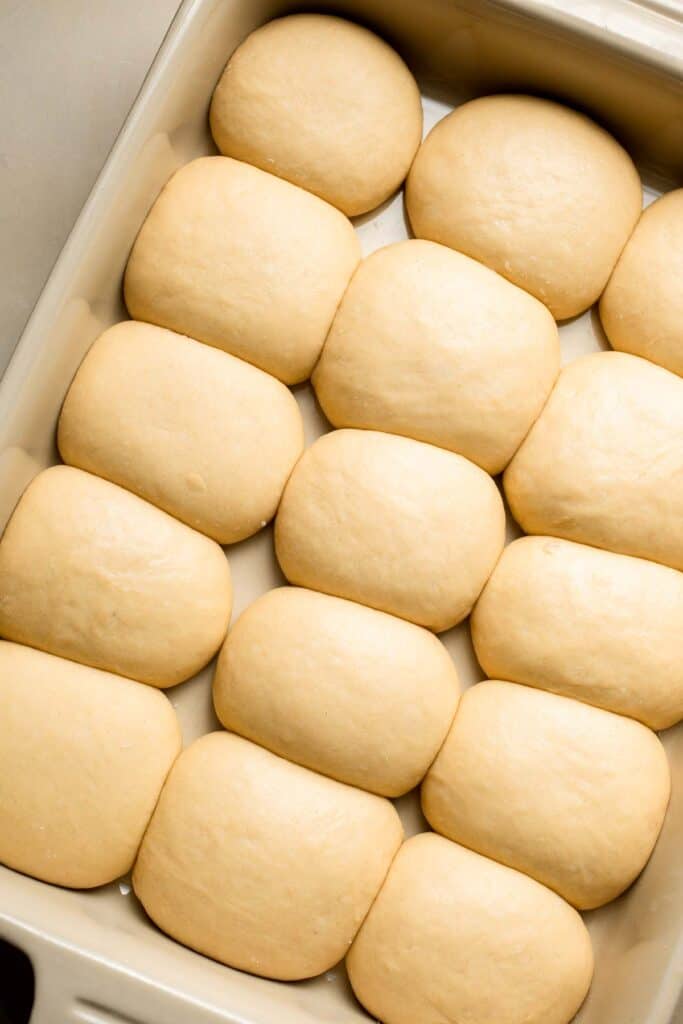
Rise or Proof
Rising or proofing is when you allow allow the dough to rise and expand before baking, usually in bread recipes with yeast.

Punch
Punching is the act of pressing dough down to deflate it after it has risen, also usually in bread recipes.
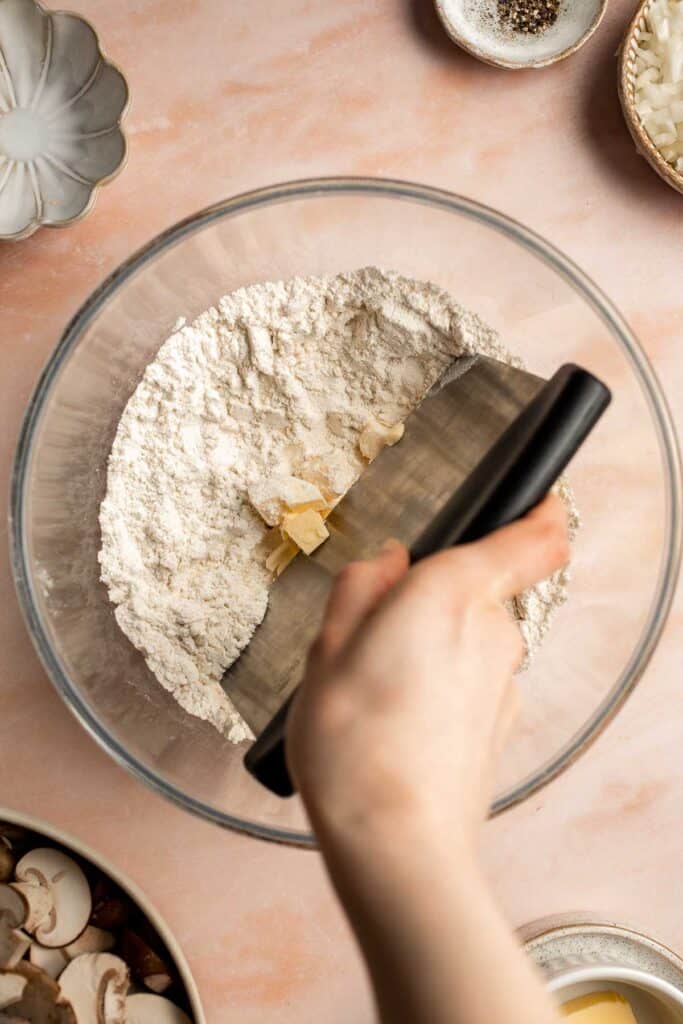
Cut in
Cutting in usually refers to butter or other solid fats being incorporated into flour by using knives, a pastry cutter, or your hands to create small crumbs of flour and fat.
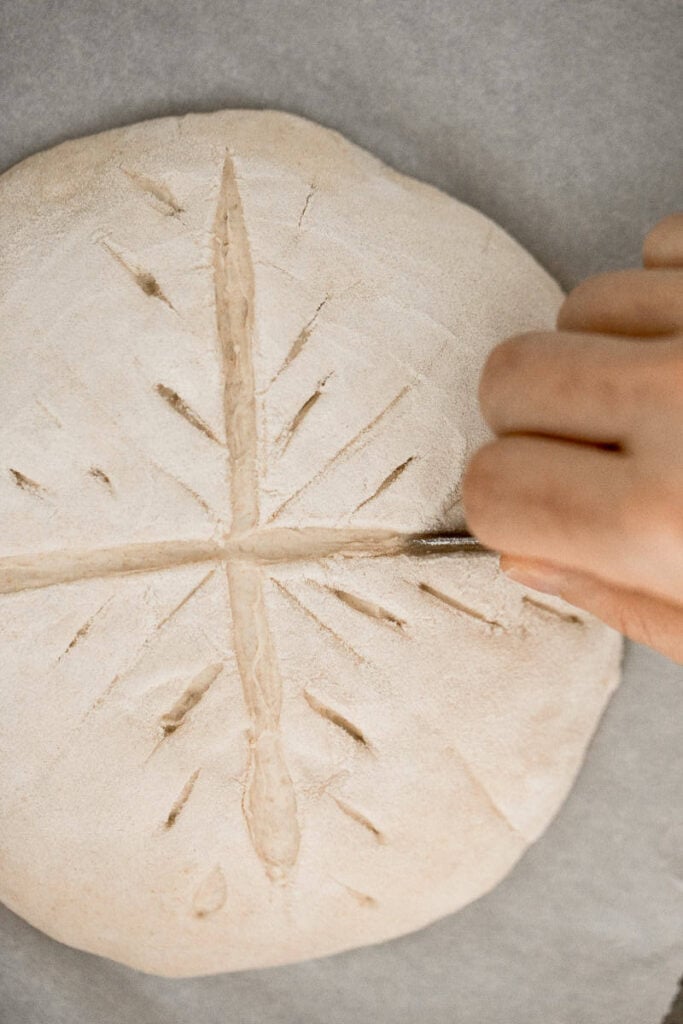
Score
Scoring typically means adding a quick cut or slash to the surface of a bread or pie using a sharp blade or knife.
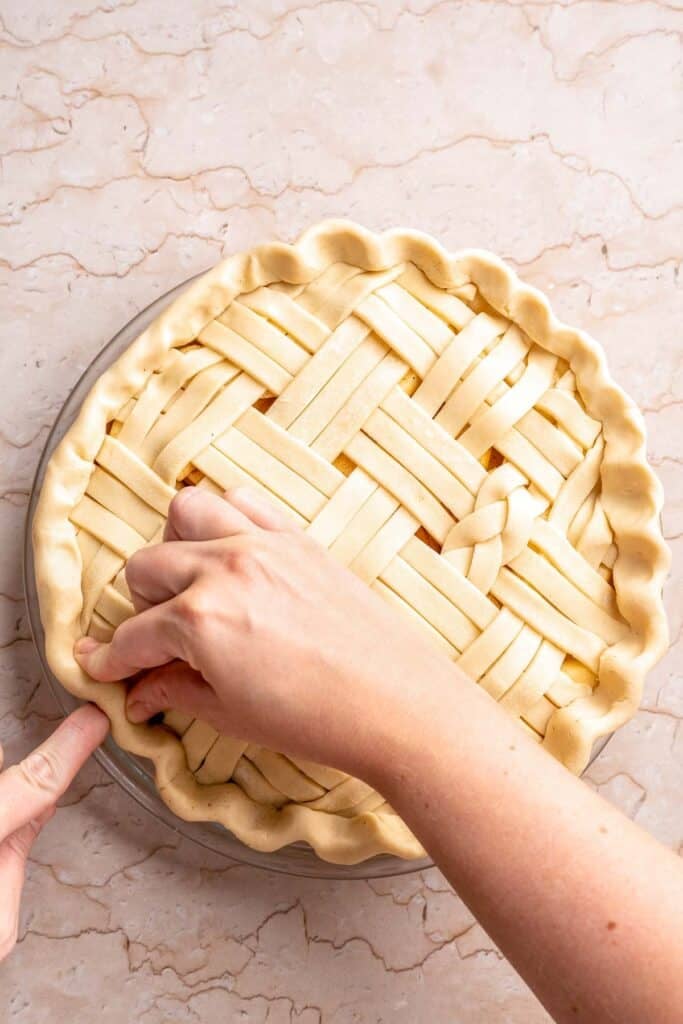
Crimp
Sealing the edges of pies, tarts, and some pastries by folding and pressing them together, usually with a fork or pinching together with your fingers.
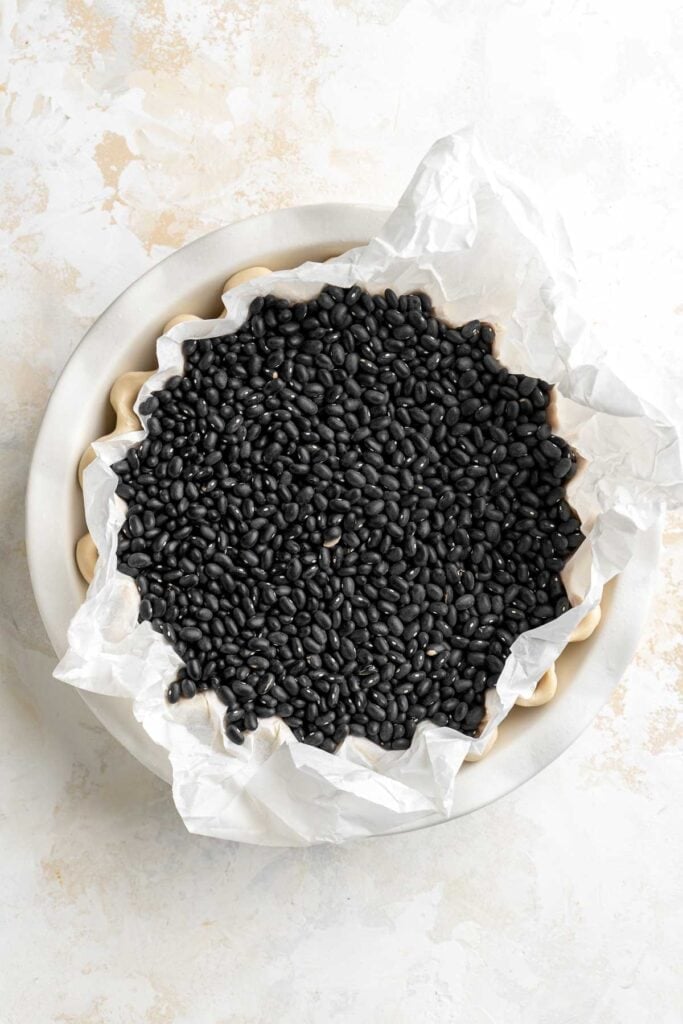
Parbake
Also known as blind baking, parbaking involves baking a pie crust without the filling to ensure it stays crispy when the filling is added.
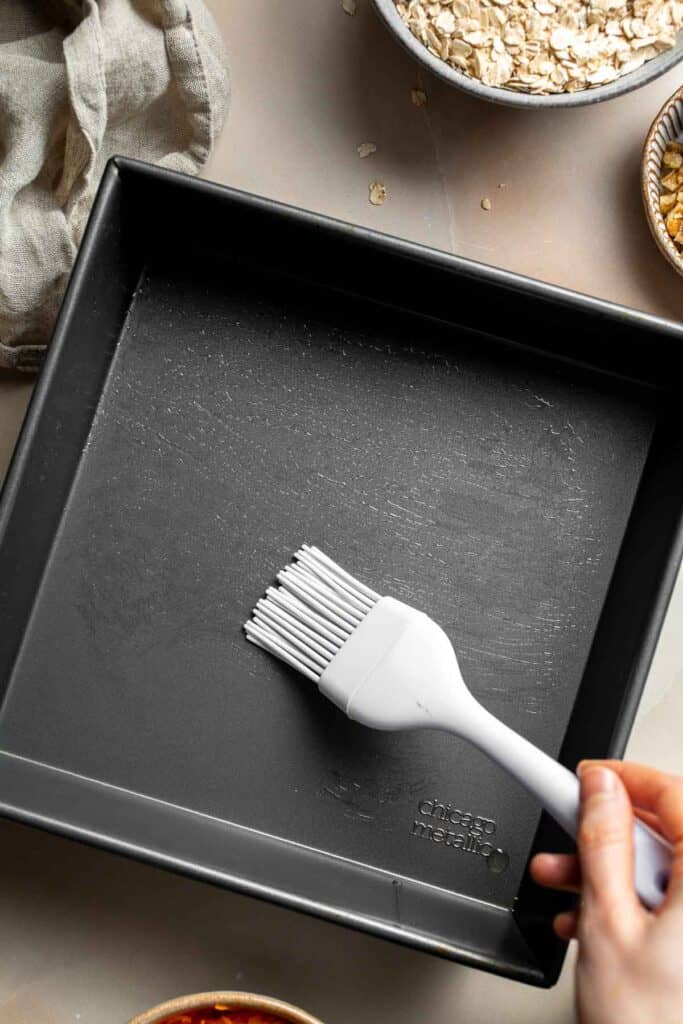
Grease (or Grease and Flour)
Greasing a pan involves coating the surface with a fat to prevent your baked goods from sticking to the pan. Typically, oil, butter, or shortening is used. Adding a dusting of flour over the top of the grease adds a second layer of protection.
Tips for Making Christmas Baking Ahead and Storing
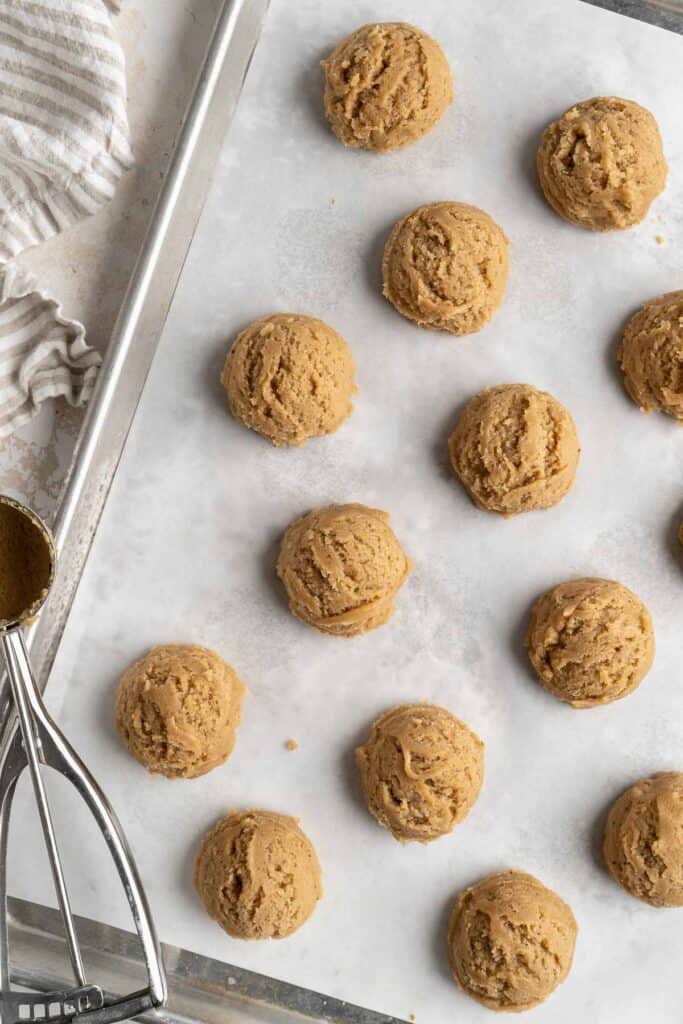
- Cookies. Most cookie dough can be refrigerated for 2-4 days or frozen for up to 3 months. Scoop dough into balls, freeze on a lined tray for 1-2 hours until hard, then store in a freezer bag. Baked cookies also freeze well. Store them in an airtight container with a slice of bread to keep them soft, or freze for up to 3 months.
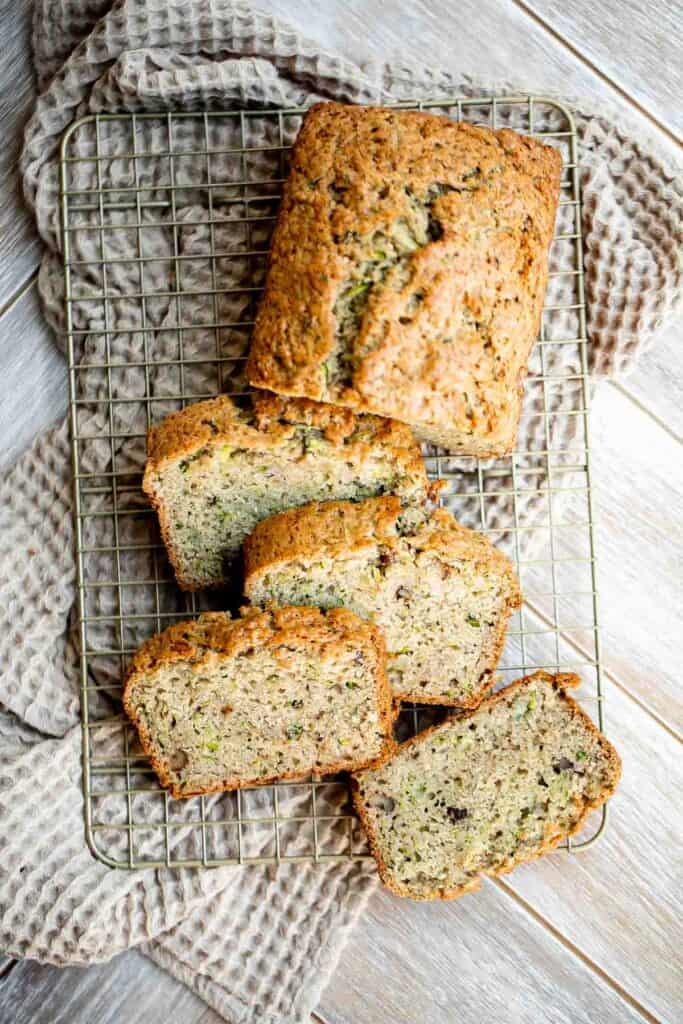
- Muffins. Muffin batter can be made a day ahead and baked fresh. Cooled muffins can be wrapped individually in plastic wrap and then frozen for up to 3 months.
- Scones. Once cooled, freeze baked scones without glaze for up to 3 months, then thaw and glaze before serving.
- Cakes. Cool completely, wrap in plastic cling wrap, and then wrap in a layer of aluminum foil to prevent freezer burn. Freeze for up to 3 months. Allow the cake to thaw in the fridge overnight before serving. If your cake is frosted, freeze it for an hour before wrapping in plastic wrap to harden the frosting and follow the rest of the steps as described.
- Pies. Make the pie crust ahead of time or use a store-bought crust and focus on the filling. Blind-baked crusts can be refrigerated for 3 days or frozen for 3 months in a plastic freezer bag. You can also choose to make the whole pie four or five days ahead, refrigerate it, and then reheat it in the oven to allow it to crisp up again.
- Candies. Truffles, fudge, pralines,and bark can be made ahead of time and stored in an airtight container at room temperature for 7-10 days in advance (depending on the recipe) or frozen for up to three months.
- Breads and Rolls. Yeasted breads and rolls can be refrigerated for 8-12 hours during the first or second rise to slow down the process, buying you up to 24 hours of time to check other things off your list before baking.
How to Package and Mail Holiday Cookies
Mailing Christmas cookies is such a fun way to share your baking, but it needs a bit of planning.
Choose the right cookies
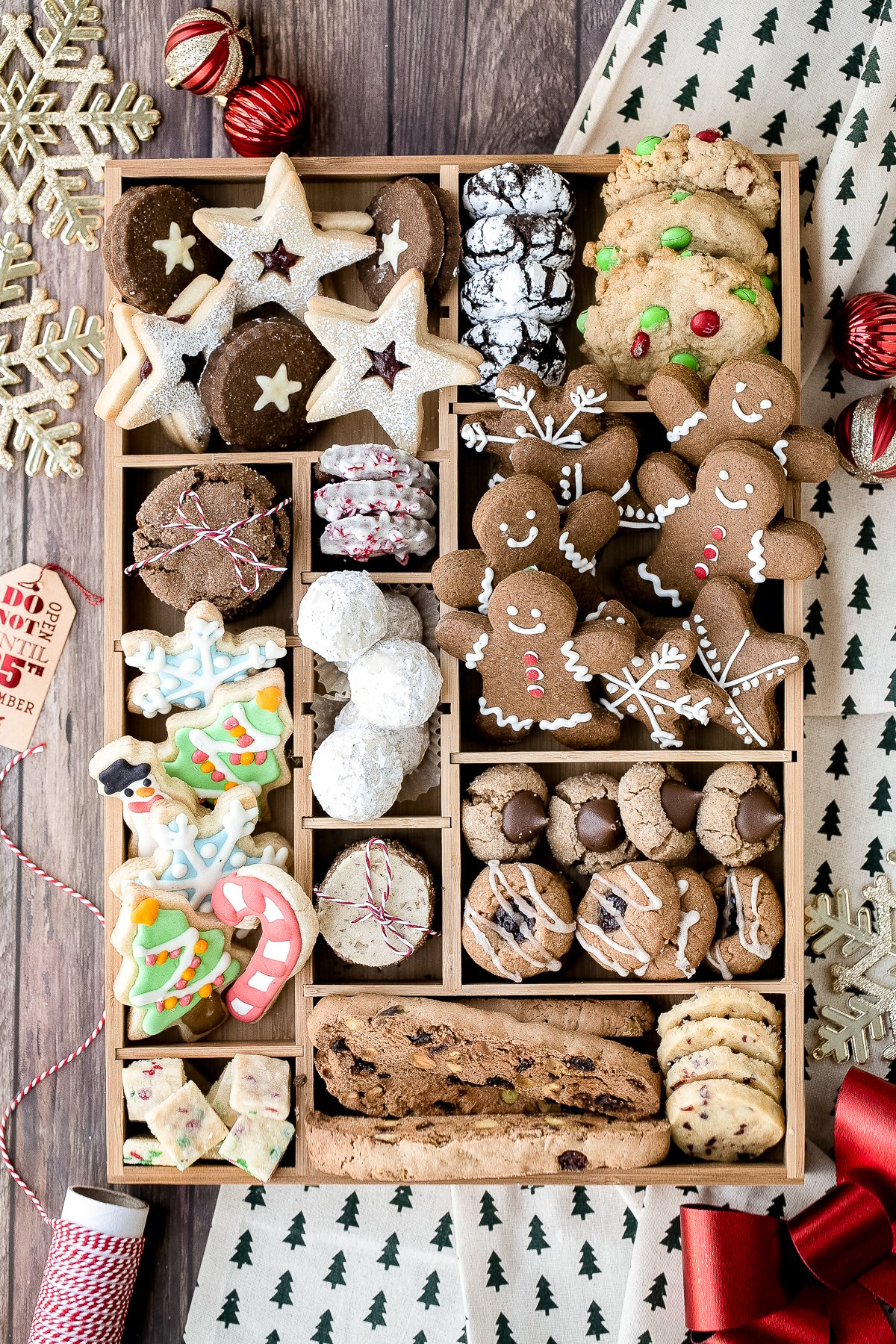
Not all cookies are shipping-friendly. Pick sturdy cookies that are not very fragile and do not rely on gooey fillings or powdered sugar on top. Avoid very delicate, sticky, or heavily glazed cookies for shipping.
Package carefully
Once your cookies have fully cooled and any decorations or glazes are dry and set (ideally overnight), you can start to package them. You'll need two boxes: an outer box and an inner box or a cookie tin, some cushioning material like bubble wrap, aluminum foil, or parchment paper, and some plastic cling wrap and/or Ziploc bags.
Then follow these steps:
- Separate cookies by flavor and type.
- Wrap the cookies tightly in several layers of plastic cling wrap or place them in Ziploc bags with all of the air pressed out.
- Pack them into a cookie tin or "inner box", filling in gaps with rolled up parchment paper or bubble wrap to prevent the cookies from sliding around in transit. We like these Christmas cookie tins or holiday cookie boxes.
- Line a slightly larger shipping box (the "outer box") with bubble wrap and place the smaller box inside.
- Seal tightly with packing tape, label it clearly, add appropriate postage and take it to the post office!
You can also ship frozen cookies which will slowly thaw on their way and often arrive extra fresh.
Pick your postage
Aim for a shipping method that delivers within two or three days. Factor in holiday delays and plan to send your cookies a little earlier than you think.
Also keep in mind that the total weight of the cookies plus the boxes and insulating materials is taken into account with the destination when determining the price of shipping.
Avoid Common Christmas Baking Mistakes
A few simple habits help you avoid the most common problems.
- Always read the full recipe before you start. Taking the extra few minutes to fully read the recipe will help you prepare and prevent you from running into a potentially derailing surprise step down the road. This may be the most important tip in the Christmas baking guide!
- Use an oven thermometer to check the true temperature as the temperature on the oven display and the actual temperature in the oven aren't always the same.
- Spoon and level flour, never scoop straight from the bag. Scooping flour out of the bag with measuring cups compacts the flour in some spots and leaves unseen holes in other spots, resulting in inaccurate measurements. Avoid this by spooning flour into the measuring cup instead, and level the cup with a flat surface like the back of a butterknife.
- Use a kitchen scale for extra accuracy. Weigh the ingredients on a kitchen scale for an even more precise measurement - ounces are fine, but grams are the most precise.
- Do not skip chilling dough if the recipe calls for it. Chilling does many things: ensures cookies don't spread too much, prevents pie crusts from breaking down in the oven, improves the crust on brownies, and so much more.
- Let baked goods cool fully so they set properly. Otherwise, you risk them falling apart before you even get a bite.
Our Best Baking Tips
- Create a baking plan. If you plan on hosting or otherwise plan to bake several types of goods, creating a baking plan will help you stay organized and allow you to use your time and kitchen resources in the most efficient way. A baking plan might consist of a complete shopping list for all the ingredients you'll need, a checklist for the types of equipment you'll have to use, and a baking schedule to get goods in the oven in succession. Grab a copy of our essential checklists in the next section below - for free!
- Prepare ahead. As mentioned above in this Christmas Baking Guide, several things can be prepped for baking or baked and stored prior to the big day! Most kinds of cookie dough can be refrigerated or frozen and then baked right before they're needed. Brownie batter can be refrigerated for several days before baking. Pies can be made several days in advance and refrigerated or frozen!
- Gather your tools and ingredients. Don't wait until you're halfway through each recipe to dig through the utensil drawer or pantry. Gather all of your ingredients and the necessary tools ahead of time and organize them into groups based on the recipe they'll be needed for to streamline the baking process.
Christmas Baking Recipes
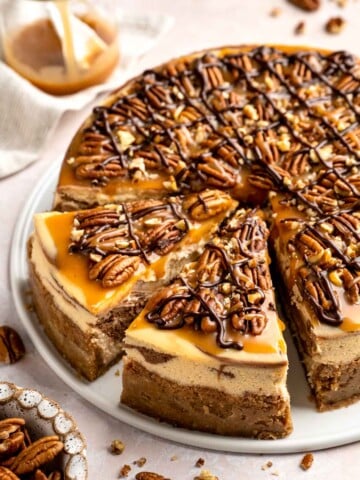
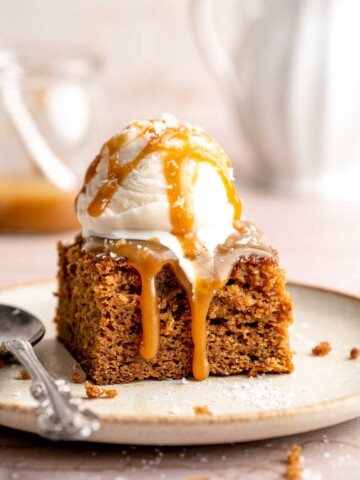
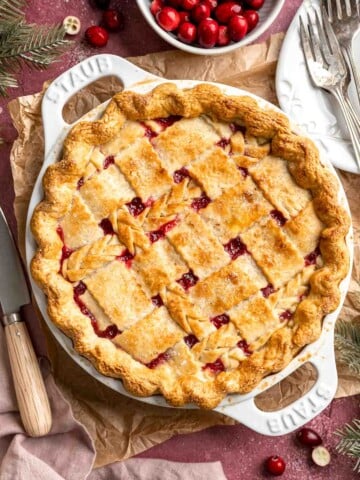
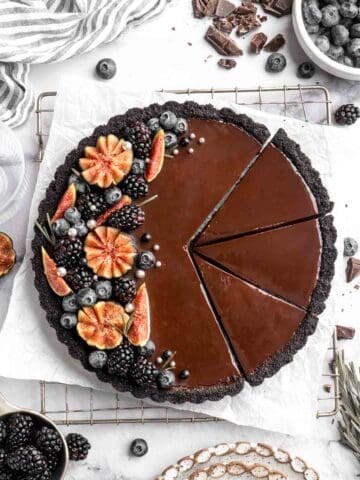
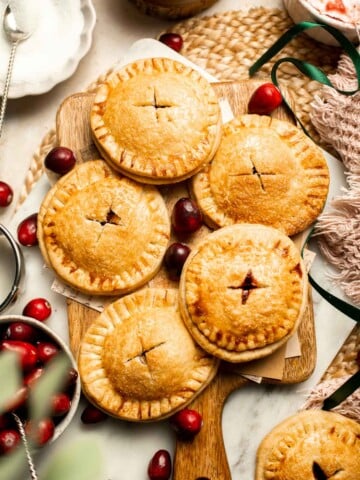
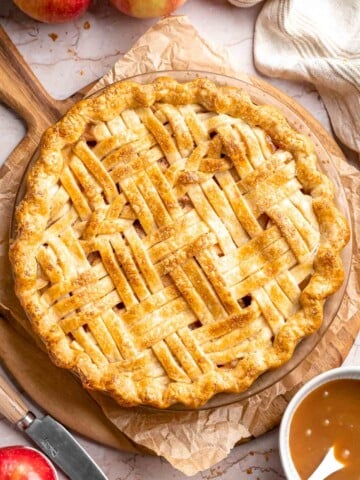
No Christmas Baking Guide is complete without a list of our best and most popular holiday baking recipes. Here are our latest Christmas cookie recipes, Christmas cakes and desserts, and Christmas pie recipes. Click the links below to browse more.
Christmas Cookie Recipes


Final Tips
- Dress things up. You don't need a degree in decorating to make beautiful holiday desserts and breads! Add garnishes like fresh or candied cranberries, sprigs of rosemary or thyme, dried orange slices, or a dusting of powdered sugar to take ordinary baked goods to the next level.
- Don't forget about servingware. Speaking of the next level, you can really go the extra mile by breaking out your best servingware to display your finished baking projects.
- Use dry beans or lentils as weights for pie crusts. It's often necessary to blind bake pie crusts using pie weights to make sure the crust stays crispy. You can skip the pie weights, though, if you have dry beans or lentils hanging out in your pantry! Use them in place of the weights and hang on to them for future pie crusts.
now available!
Grab Your Free Holiday Baking Checklists!
Recipe planner, pantry ingredient list, and baking shopping list - all in one printable pack sent straight to your inbox.
This guide was originally published in 2022. It has since been updated with more helpful content.



AJ says
WOW! So much good information. Thank you