
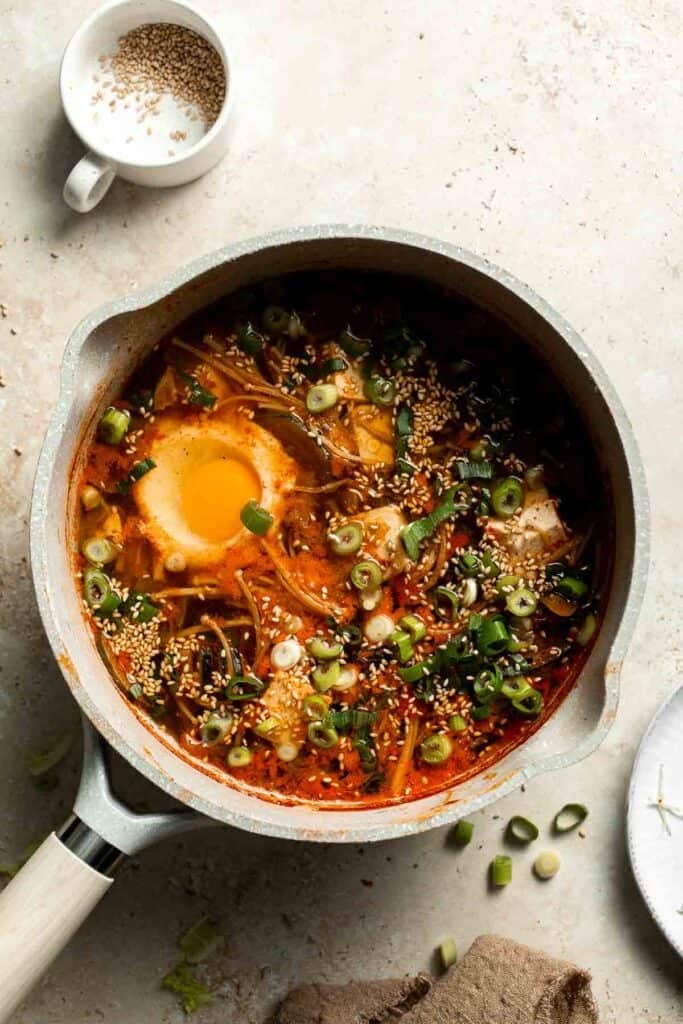
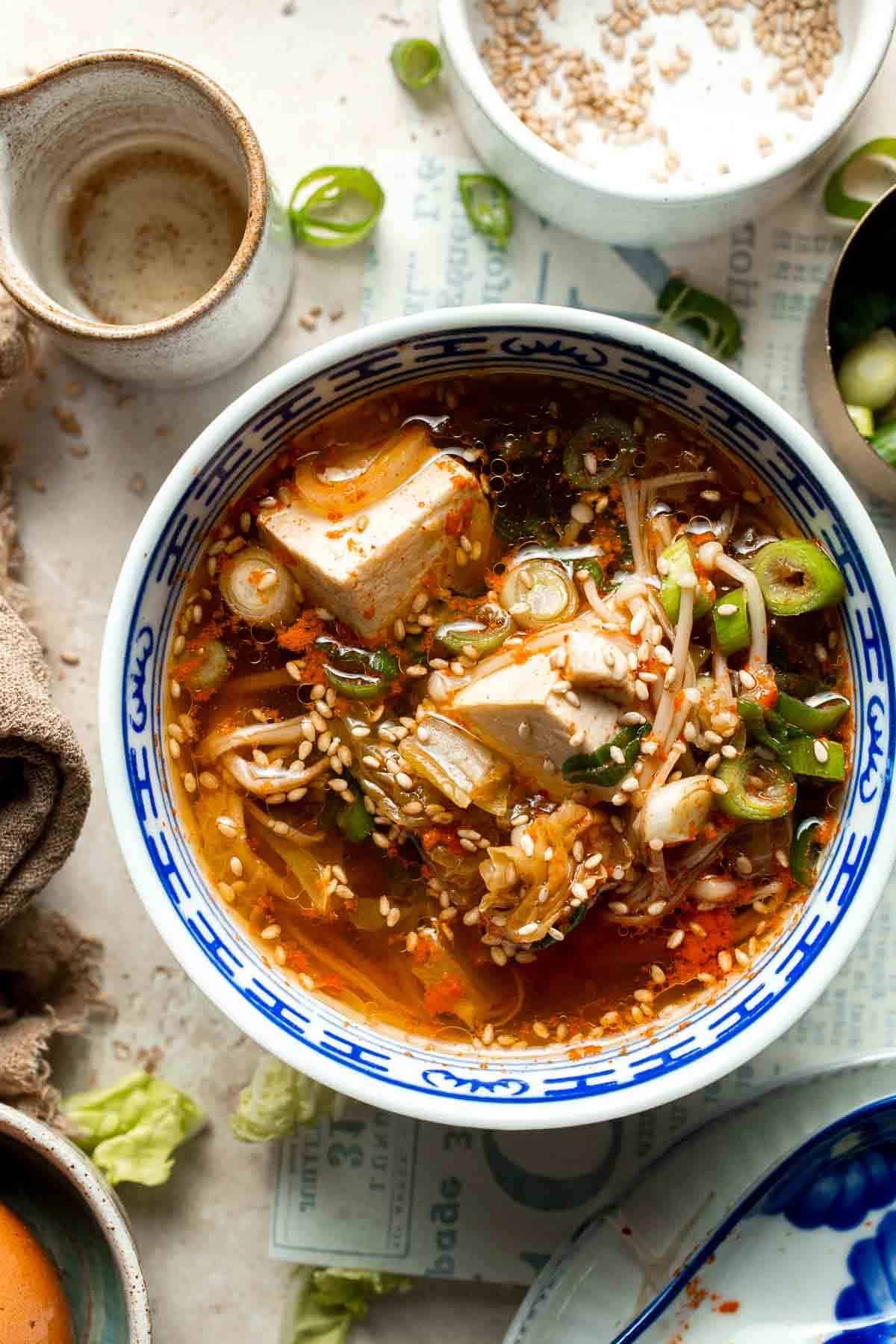
This Korean Tofu Soup is the kind of bowl you want on a chilly night when you need something warm, comforting, and packed with flavor in under 30 minutes. Silky soft tofu, tender napa cabbage, and enoki mushrooms simmer together in a savory, gently spicy dashi broth, finished with a soft-cooked egg cracked right into the pot. It's known in Korean as Soondubu Jjigae (also spelled Sundubu Jjigae), and once you've made it at home, you'll understand exactly why it's such a beloved comfort food.
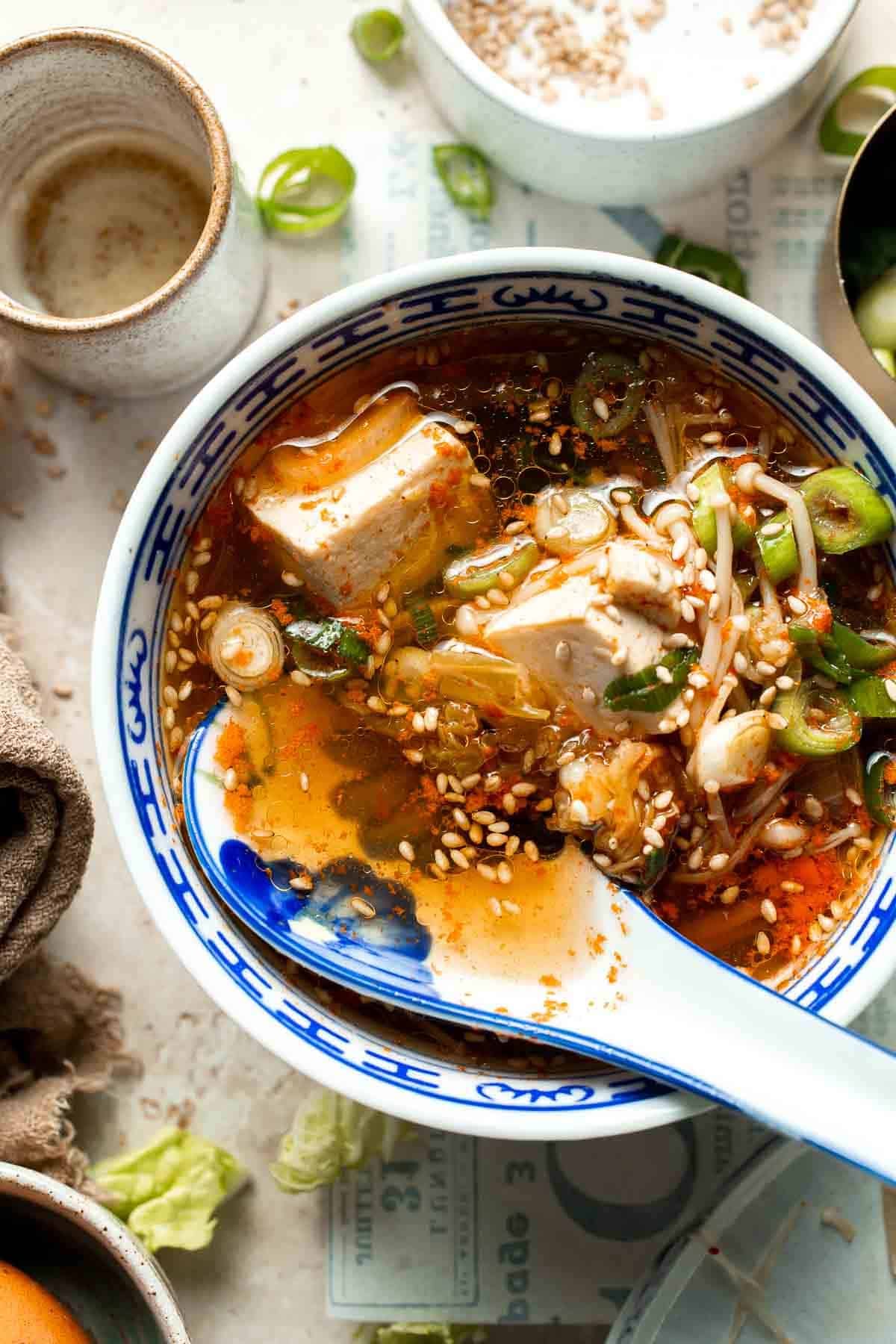
I've made this soup more times than I can count on busy weeknights, and it's endlessly forgiving. The broth comes together fast, the vegetables barely need attention, and the egg poaching directly in the hot broth at the end is genuinely one of my favorite parts of the whole process.
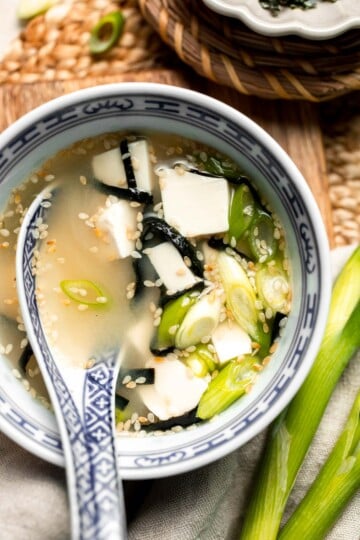
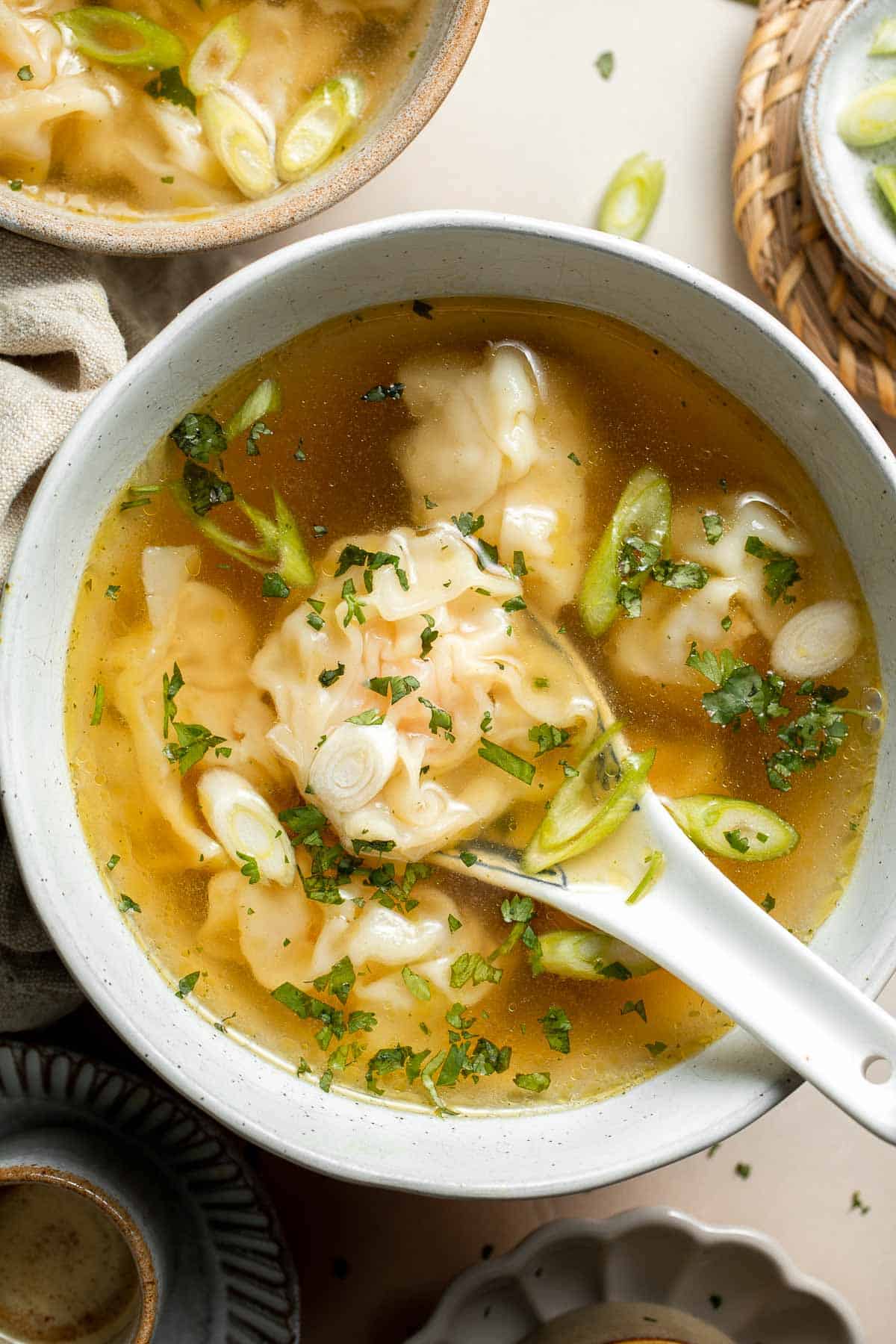
If you loved this recipe, try our Tofu Soup, Homemade Miso Soup Recipe with Tofu, or Easy Wonton Soup next.
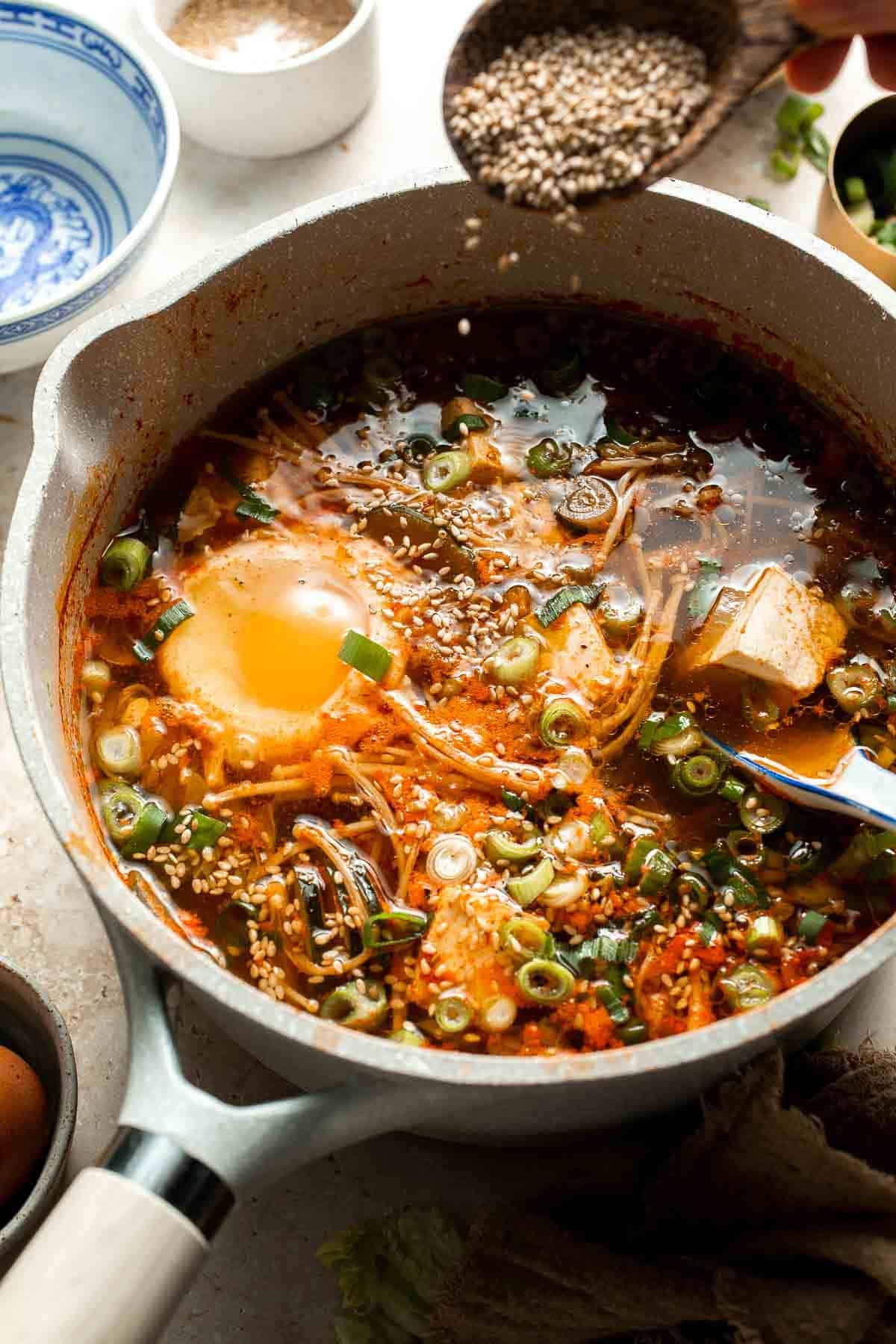
Why You'll Love This Recipe
- Ready in under 30 minutes. A simmered broth and a handful of quick-cooking vegetables mean dinner comes together fast.
- Silky, comforting texture. Soft tofu and a gently poached egg give this soup a rich, satisfying mouthfeel.
- Easy to customize the heat. Adjust the gochugaru to make it as mild or as spicy as you like.
- A genuine one-pot meal. Everything cooks in a single pot, so cleanup is minimal.
Jump to:
Ingredients and Substitutions
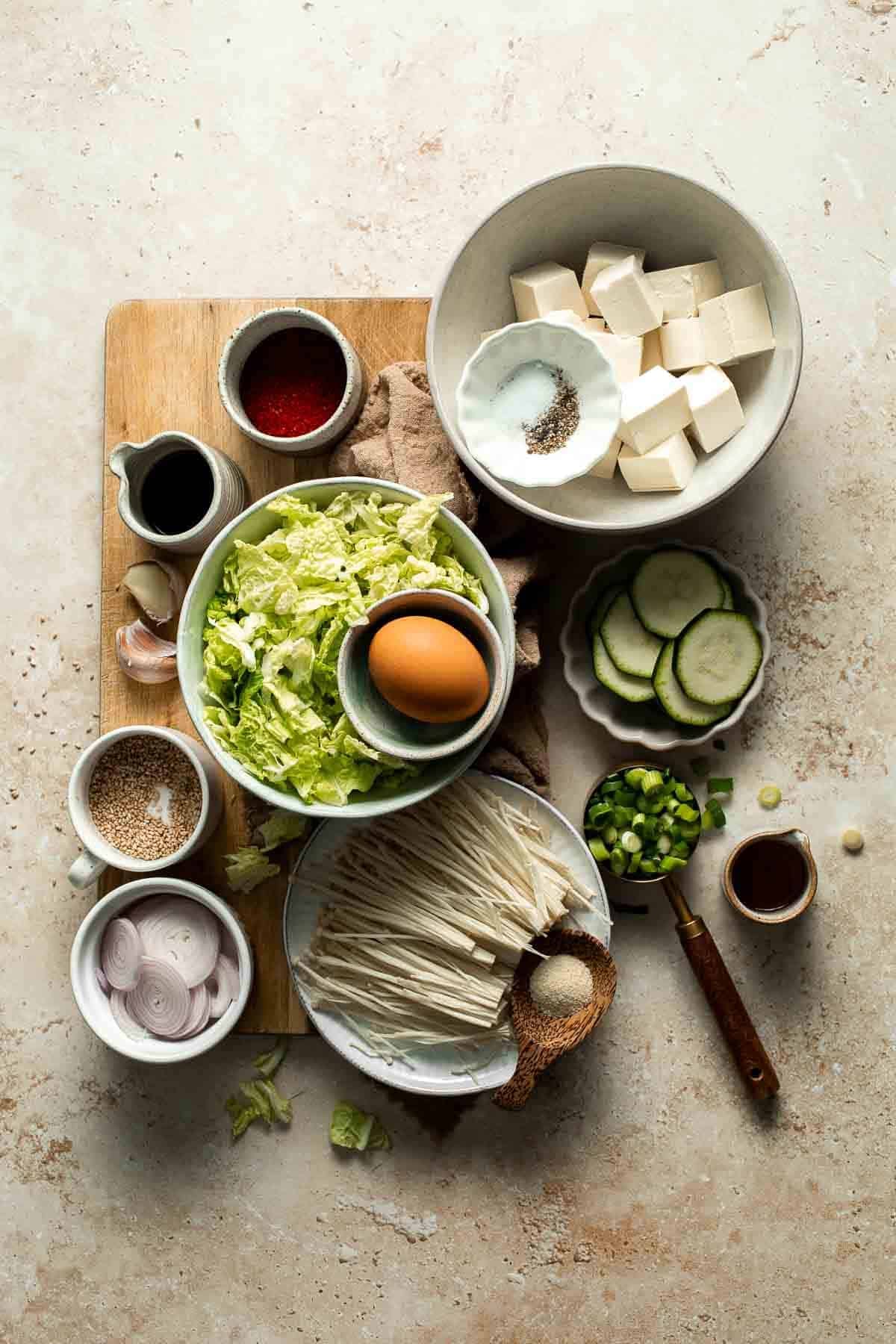
To make this comforting Korean Tofu Soup, you will need the following ingredients (see recipe card below for quantities):
- water - the base of the broth. Using a well-flavored dashi powder here means you don't need stock on hand. However, anchovy stock, chicken broth, or a kelp-based broth all work as flavorful substitutes if you have them on hand.
- dashi powder - adds savory, umami-rich depth quickly. Look for it in the Asian foods aisle or a Korean grocery store, alongside other staples for Korean recipes.
- shallot - adds a mild, slightly sweet aromatic base. A small yellow onion or spring onions work as substitutes.
- garlic - fresh is best for flavor here.
- gochugaru - Korean chili flakes (also called Korean red pepper flakes) bring both color and heat to the broth. Adjust the amount to your spice preference, or substitute a milder chili flake if gochugaru isn't available.
- soy sauce - adds saltiness and depth. Miso paste works well as a substitute for a slightly different, more fermented flavor.
- fish sauce - optional, but adds an extra layer of umami. Leave it out for a vegetarian version.
- napa cabbage - wilts down into the broth and adds a mild sweetness.
- zucchini - adds a tender bite and absorbs the broth's flavor well.
- enoki mushrooms - thin and delicate, with a mild flavor and pleasant texture. Sliced shiitake mushrooms or button mushrooms work as substitutes.
- silken or soft tofu - the star of the dish, called 순두부 (sundubu) in Korean. Its delicate texture is exactly what gives this soup its name, so avoid substituting firm tofu if you can help it.
- egg - cracked directly into the simmering soup for a soft, custardy addition. Skip it if you'd prefer, though it's a classic part of the dish.
- sesame oil - drizzled in at the end for a toasty aroma and finish.
- salt and pepper - season to taste.
- green onion - for garnish, adding freshness and color.
- white sesame seeds - for garnish, adding a bit of nutty crunch.
Equipment
You will need a medium pot and measuring cups and spoons.
Instructions
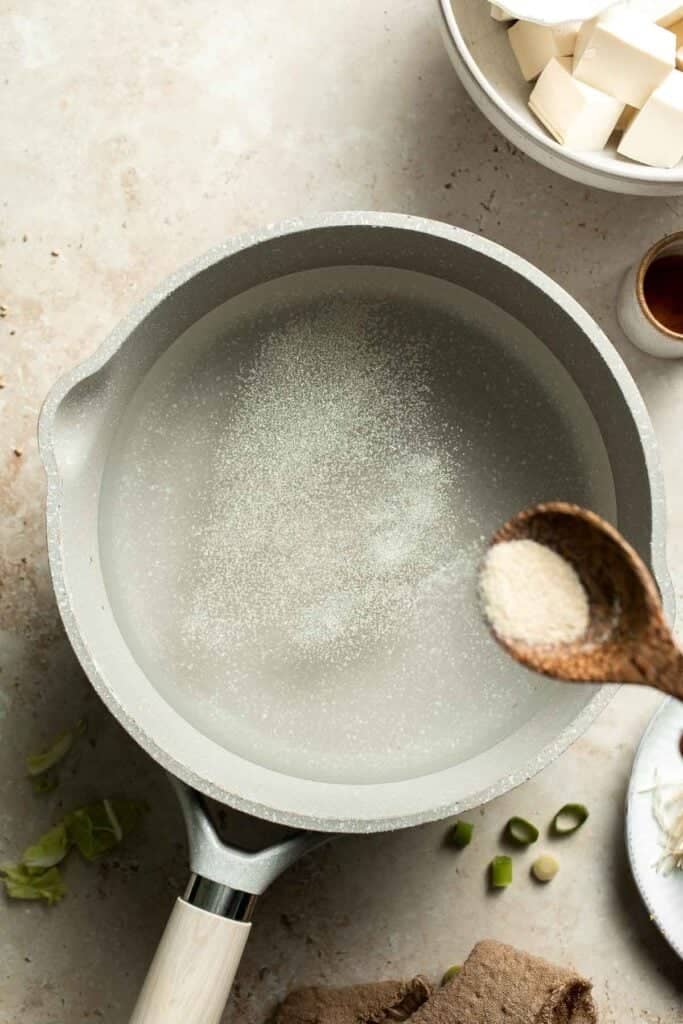
- Start the broth. In a medium pot, combine the water and dashi powder. Bring to a gentle boil over medium-high heat, stirring to dissolve the powder.
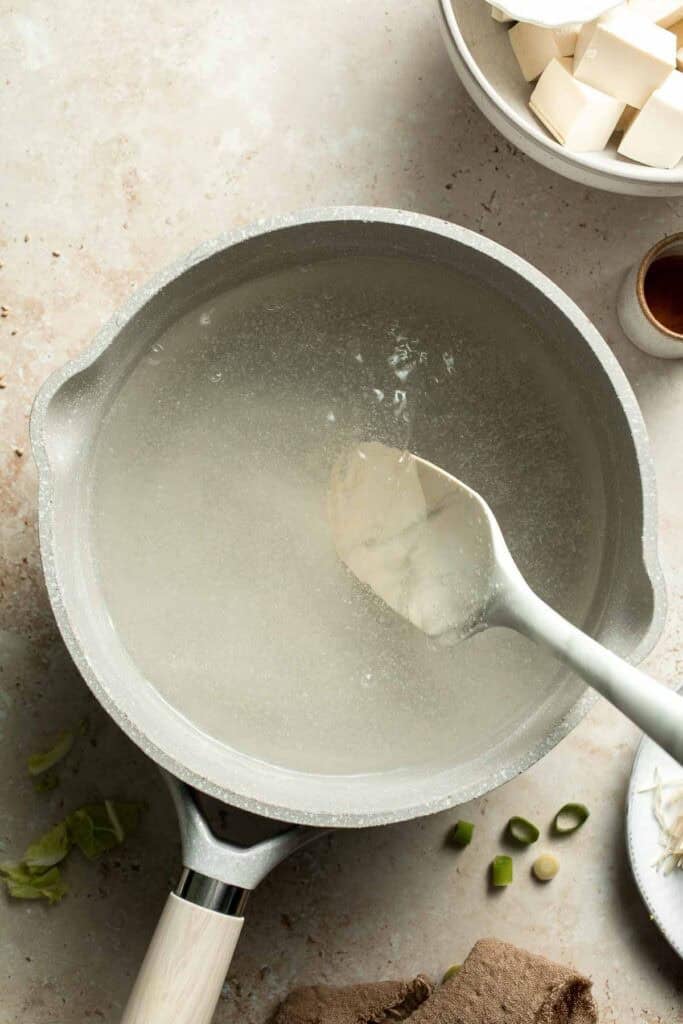
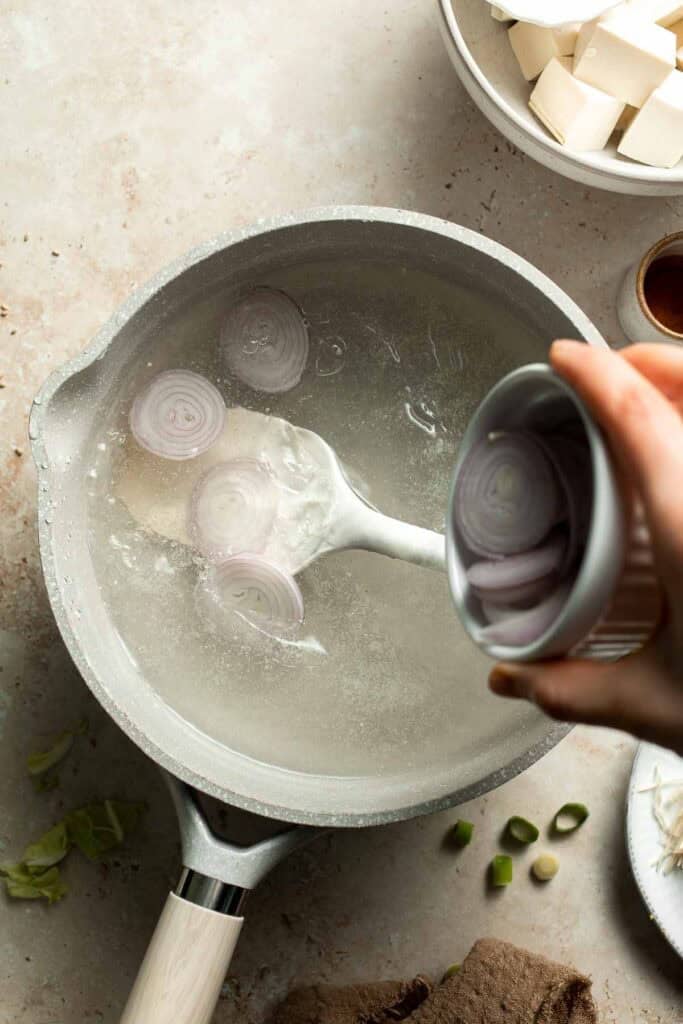
- Add the aromatics. Stir in the shallot and garlic. Simmer for 1 to 2 minutes until fragrant.
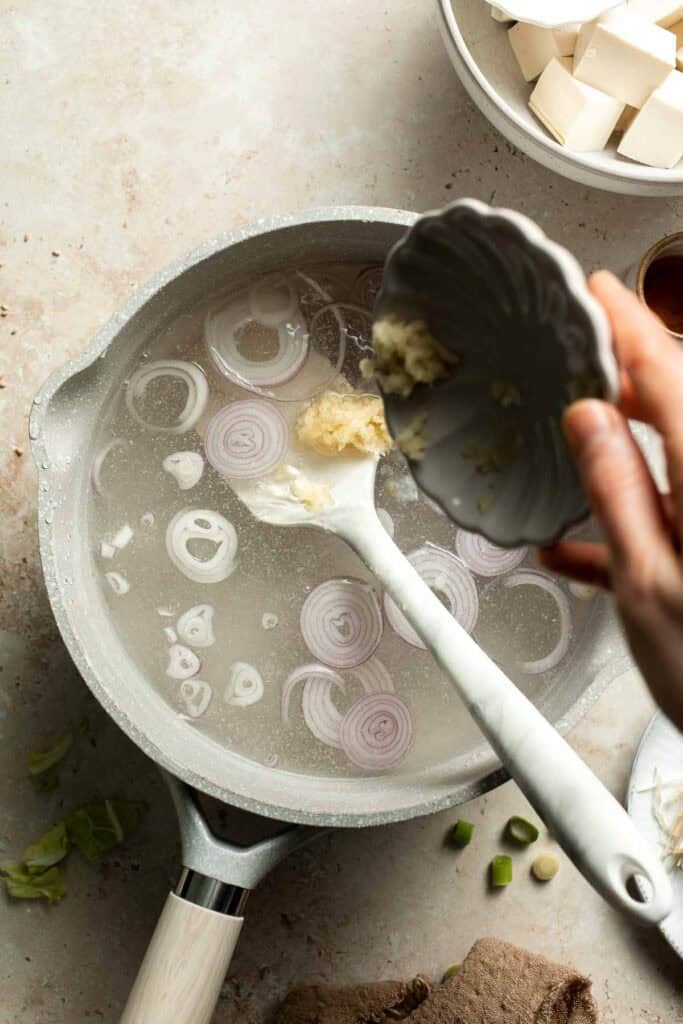
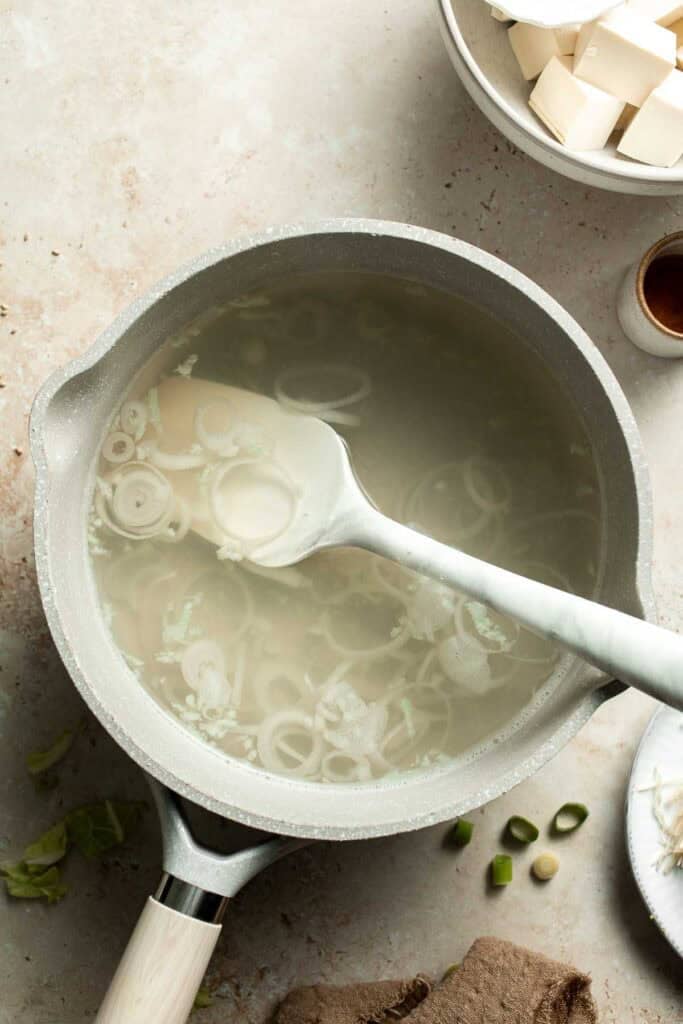
- Build the flavor. Stir in the gochugaru, soy sauce, and fish sauce to build the soup base. Let the broth simmer for another minute to deepen the flavor.


- Add the vegetables. Stir in the napa cabbage and zucchini. Simmer for 4 to 5 minutes until softened.


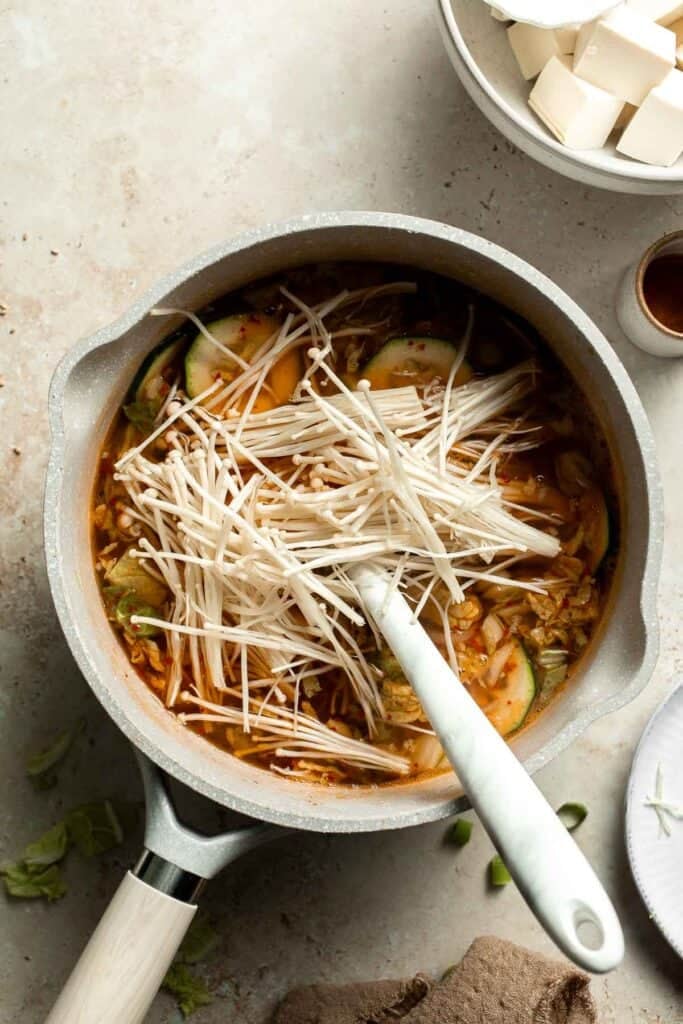
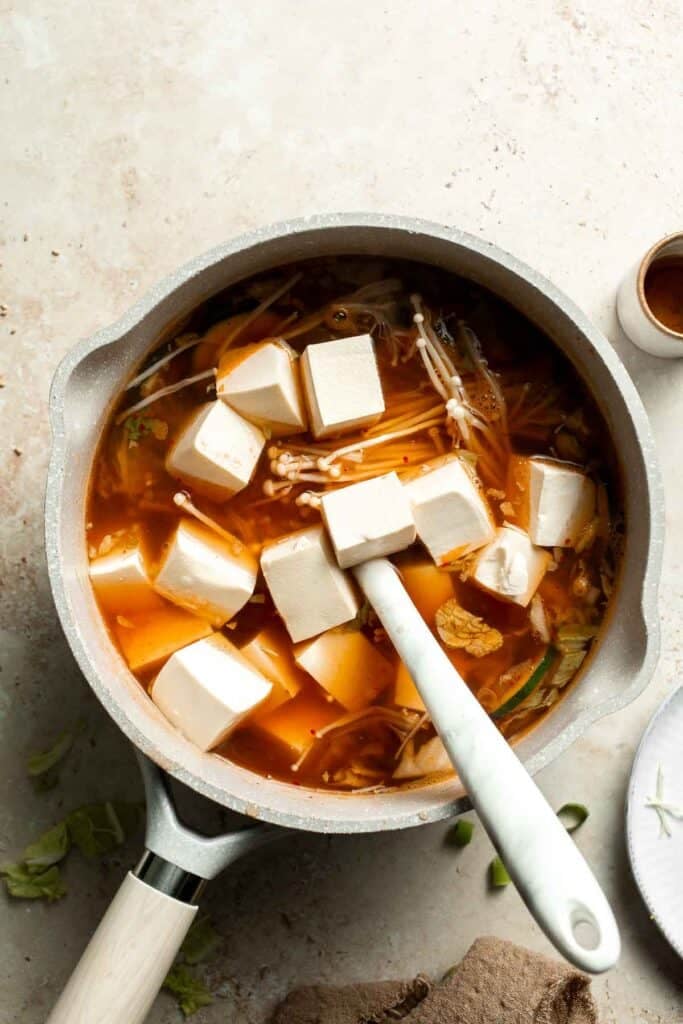
- Add the mushrooms and tofu. Stir in the enoki mushrooms, then gently spoon the tofu into the pot in large chunks. Simmer for 3 to 4 minutes, stirring as little as possible so the tofu stays tender and doesn't break apart.
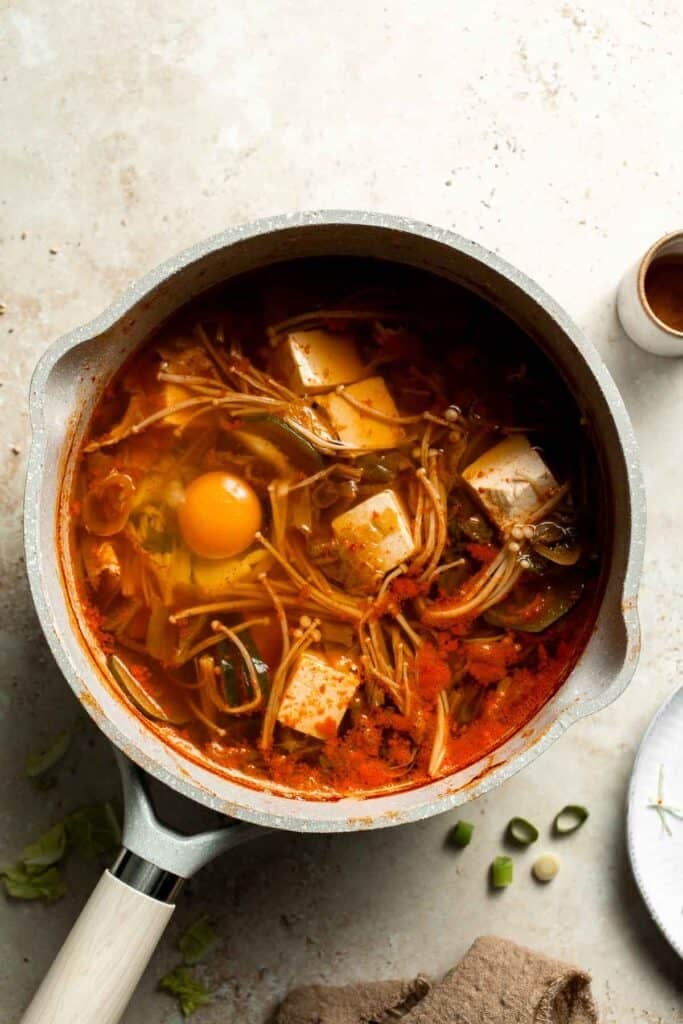
- Poach the egg. Crack the egg directly into the soup. Let it cook undisturbed for about 2 minutes, until the white is set but the yolk is still slightly soft, or longer if you prefer a fully cooked egg.

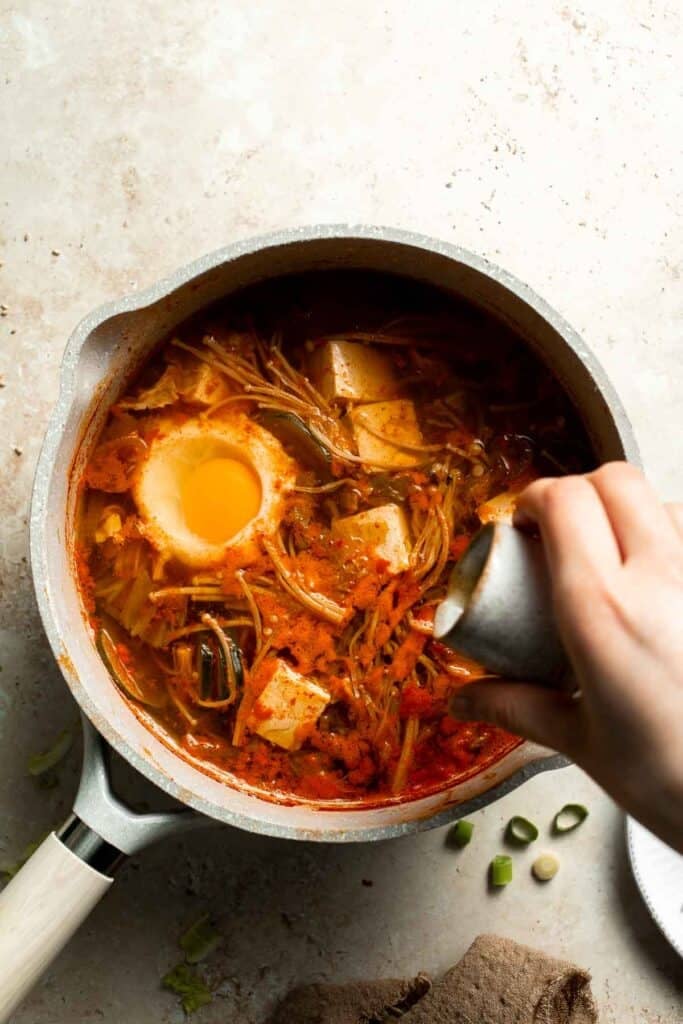
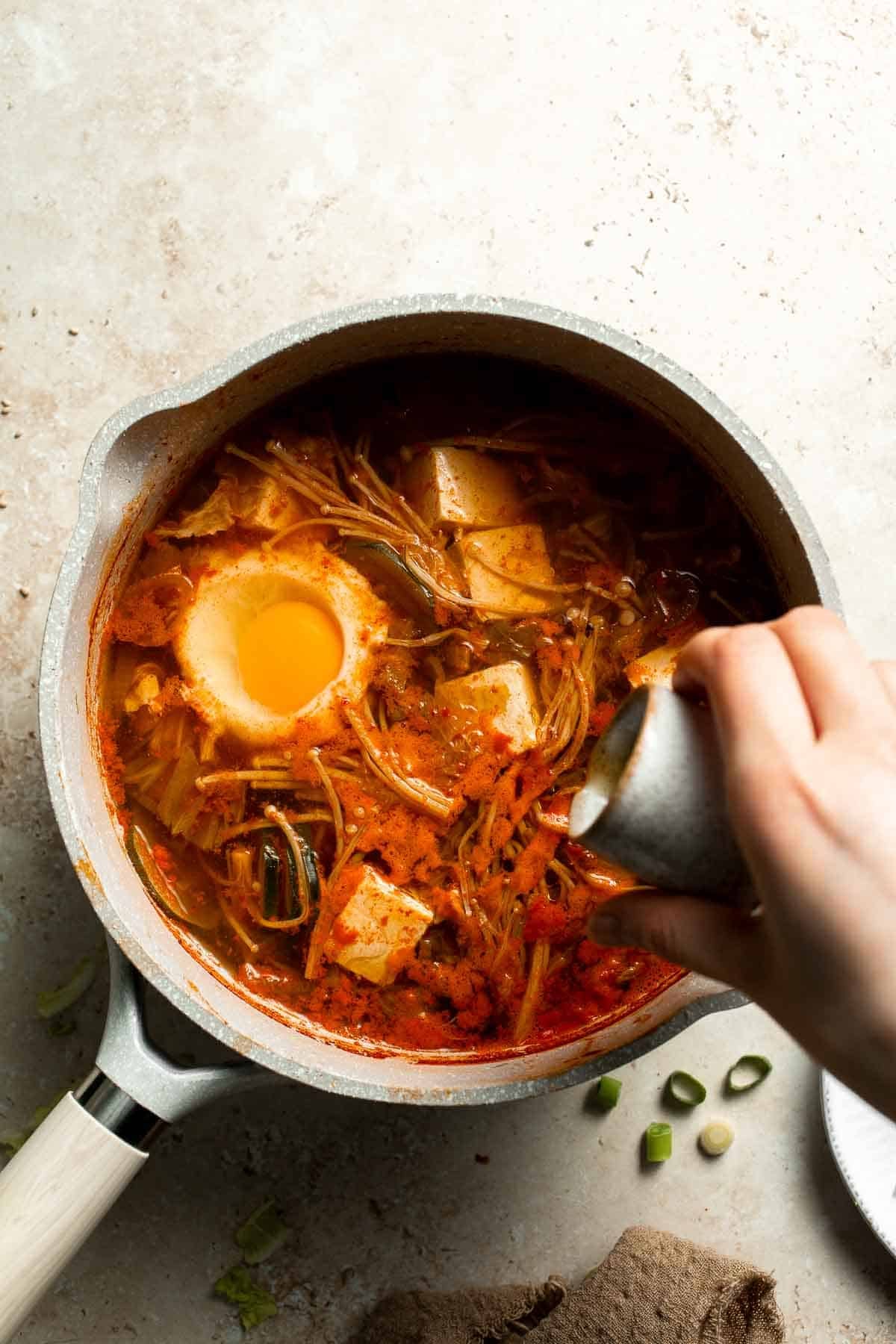
- Finish the soup. Drizzle with sesame oil, then taste and adjust the seasoning with salt and pepper as needed.
- Garnish and serve. Top with green onions and sesame seeds, and serve immediately while still bubbling hot.

Expert Tip
Don't Stir the Tofu Too Much
Once the silken tofu goes into the pot, resist the urge to stir it around. Silken tofu is delicate and breaks apart easily, and too much stirring turns it into small, crumbly pieces instead of the soft, pillowy chunks that make this soup so satisfying. A gentle spoon-in and an occasional light stir is all it needs.
Recipe Variations
- Make it vegetarian. Skip the fish sauce, or use a vegetarian dashi or vegetable broth in place of the dashi powder and water.
- Add protein. Thinly sliced beef, pork belly, or oysters all work well simmered into the broth along with the vegetables, and are common additional proteins used in traditional versions of this soup.
- Make it extra spicy. Add an extra spoonful of gochugaru, or stir in a bit of chili oil or gochujang for a deeper, more fermented heat.
- Swap the vegetables. Bok choy, spinach, or bean sprouts all work well in place of or alongside the napa cabbage, or use whatever veggies you have on hand.
- Add noodles or rice. Stir in a handful of cooked glass noodles, or serve this soup over a bowl of steamed rice to make it a heartier, more filling meal.
- Make it a seafood version. Add clams, mussels, oysters, or shrimp along with the tofu for a classic seafood-forward take on the dish.
Tips for the Best Korean Tofu Soup
- Use good-quality dashi powder. It's the backbone of the broth's flavor, so a well-made one goes a long way.
- Don't overcook the vegetables. Napa cabbage and zucchini should be tender but still hold their shape, not mushy.
- Handle the tofu gently. Spoon it in rather than dumping it, and avoid vigorous stirring once it's in the pot.
- Watch the egg closely. The window between a soft, custardy yolk and a fully set one is short, so keep an eye on it during those final 2 minutes.
- Serve immediately. This soup is best enjoyed hot, right off the stove, since the tofu and egg continue to firm up the longer it sits.
Storage
How to Store
Store leftovers in an airtight container in the refrigerator for up to 2 days. Keep in mind the tofu and egg will continue to firm up as they sit.
How to Reheat
Reheat gently on the stovetop over low heat just until warmed through. Avoid boiling it hard, since that can toughen the tofu and overcook the egg further.
How to Serve
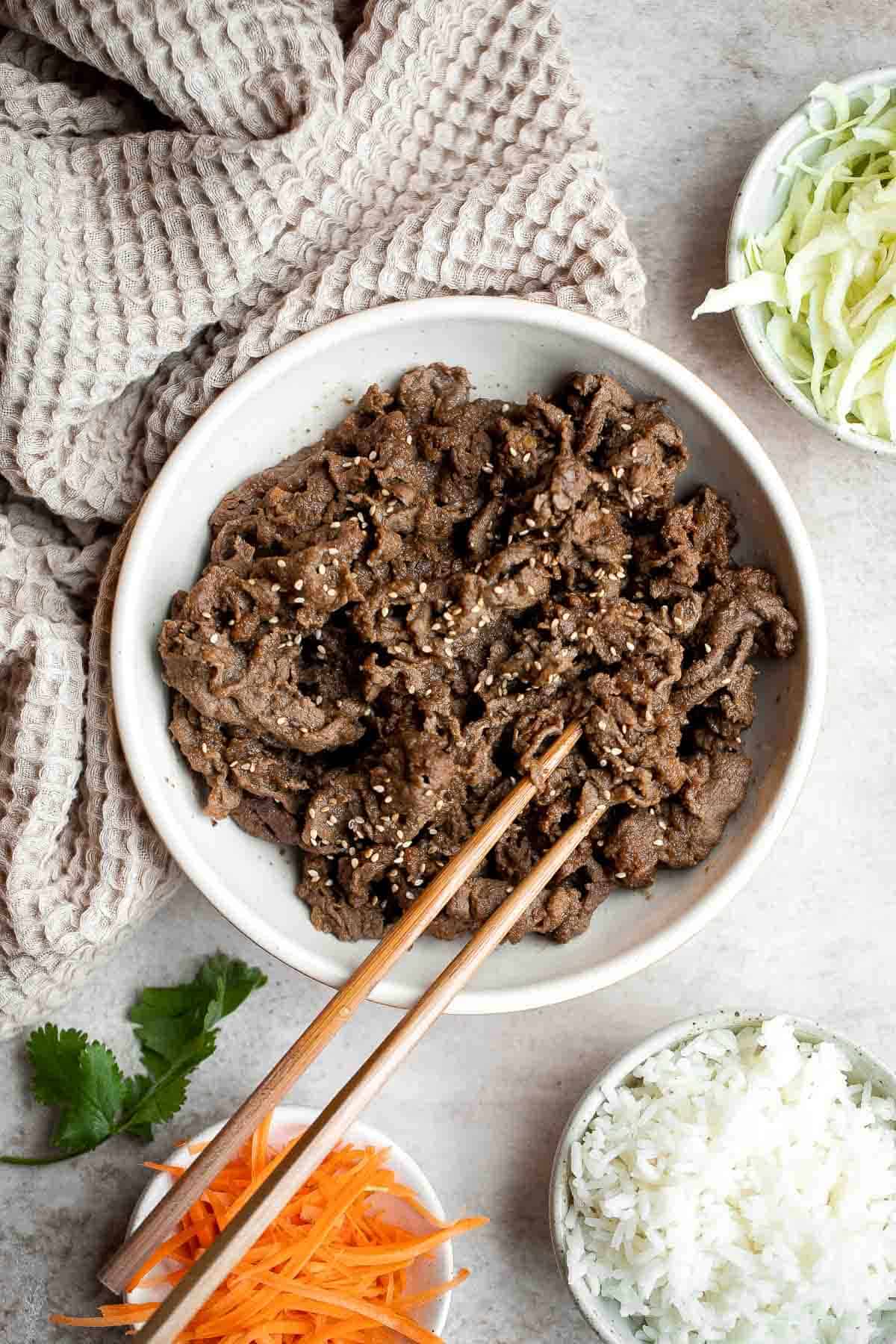
This soup is a comforting meal on its own, but it's traditionally part of a bigger spread of Korean side dishes.
These are my favorite dishes to serve with it:



FAQ
Soondubu Jjigae, also spelled Sundubu Jjigae, is the traditional Korean name for this soft tofu soup. It's a popular Korean comfort food built around silken tofu simmered in a savory, often spicy broth, and this Korean Tofu Soup is a simplified, easy-to-make version of that classic dish.
It's savory, deeply umami, and gently spicy from the gochugaru, with a warmth that builds rather than hits you all at once. The dashi broth gives it a rich, almost briny depth, while the silky tofu, tender vegetables, and soft egg add a comforting, mellow texture that balances the spice.
It's traditionally served bubbling hot, straight from the pot, alongside a bowl of steamed rice and a spread of Korean side dishes like kimchi. Many people spoon a bit of rice directly into the soup as they eat, letting it soak up the flavorful broth.
It's not recommended. Silken or soft tofu has a delicate, custardy texture that's central to this dish. Firm tofu holds its shape more and won't give you the same soft, melt-in-your-mouth quality.
It can, especially silken or soft tofu, if it's stirred too aggressively or cooked at too high a boil for too long. Spooning it in gently, keeping the heat at a simmer rather than a hard boil, and minimizing stirring once it's in the pot all help it hold its shape better while still staying tender.
This usually comes down to timing or heat. Keep the heat at a gentle simmer once the egg goes in, and start checking around the 2-minute mark since the yolk can set quickly once the white is done.
More Asian Soup Recipes
Looking for other recipes like this? Try these:


Tried this recipe?
I'd love to hear what you think! Leave a comment and rating below to share your feedback. Your reviews help others discover this recipe and help me keep creating more free recipes for you. Snap a photo and tag me on social media @aheadofthyme too.

Korean Tofu Soup
- Total Time: 25 minutes
- Yield: 2 servings 1x
- Diet: Gluten-Free, Vegetarian
Description
Korean Tofu Soup (Soondubu Jjigae) features silky soft tofu, napa cabbage, and mushrooms in a savory, gently spicy broth, finished with a poached egg.
Ingredients
- 3-4 cups water
- 1 teaspoon dashi powder
- ½ small shallot, sliced
- 2 cloves garlic, minced
- 1 tablespoon gochugaru (Korean red chili flakes) (or to taste)
- 1 tablespoon soy sauce (or miso paste)
- 1 tablespoon fish sauce (optional)
- 1½ cups napa cabbage, chopped
- ⅓ cup zucchini, sliced
- ½ package enoki mushrooms, ends trimmed off and rinsed
- 1 pack (12 ounces) silken or soft tofu
- 1 egg
- 1 teaspoon sesame oil
- salt and pepper (to taste)
- ¼ cup green onion, roughly chopped
- 1 teaspoon sesame seeds
Instructions
- In a medium pot, combine the water and dashi powder. Bring to a gentle boil over medium-high heat, stirring to dissolve the powder.
- Stir in the shallot and garlic. Simmer for 1 to 2 minutes until fragrant.
- Stir in the gochugaru, soy sauce, and fish sauce. Let the broth simmer for another minute to deepen the flavor.
- Stir in the napa cabbage and zucchini. Simmer for 4 to 5 minutes until softened.
- Stir in the enoki mushrooms, then gently spoon the tofu into the pot in large chunks. Simmer for 3 to 4 minutes, stirring as little as possible so the tofu stays tender and doesn't break apart.
- Crack the egg directly into the soup. Let it cook undisturbed for about 2 minutes, until the white is set but the yolk is still slightly soft, or longer if you prefer a fully cooked egg.
- Drizzle with sesame oil, then taste and adjust the seasoning with salt and pepper as needed.
- Top with green onions and sesame seeds, and serve immediately while still bubbling hot.
Notes
Storage: Refrigerate leftovers in an airtight container for up to 2 days. Reheat gently over low heat to avoid overcooking the tofu and egg.
- Prep Time: 10 minutes
- Cook Time: 15 minutes
- Category: Soup
- Method: Stovetop
- Cuisine: Korean






Comments
No Comments